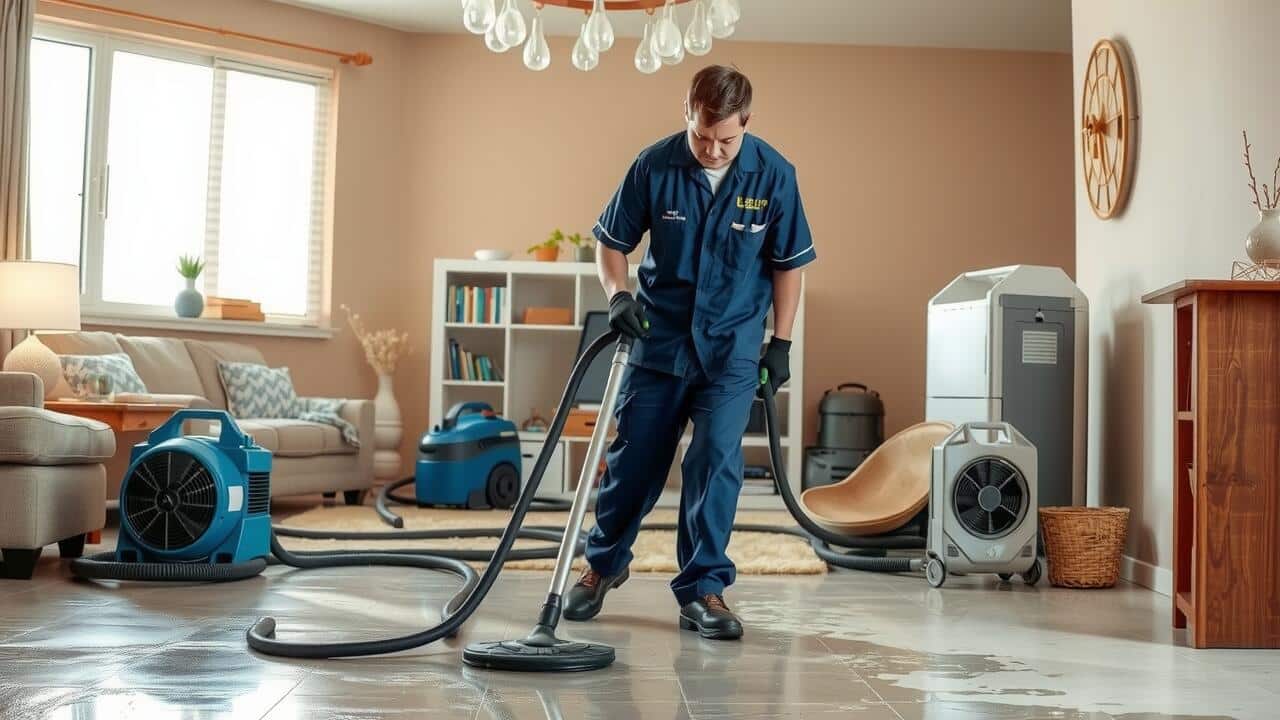
At Express Air Duct Cleaning San Antonio, we understand that water damage can have serious consequences for your home and air quality. Our comprehensive water damage restoration service is designed to address the drying and restoration needs caused by leaks, floods, or appliance malfunctions. Using state-of-the-art equipment and techniques, our skilled team efficiently removes excess water, dries affected areas, and prevents mold growth, ensuring a safe and healthy environment for you and your family. We prioritize quick response times and effective solutions, allowing you to get back to your normal routine as soon as possible. Trust Express Air Duct Cleaning San Antonio to restore your property and peace of mind.
Mold Remediation and Prevention
Mold growth often appears in areas with excess moisture or flooding. Homeowners should be vigilant for signs such as visible mold spots or musty odors, which indicate the need for timely intervention. Immediate action is crucial, especially after a water damage incident. Proper water extraction and drying of affected areas, including carpets and building materials, are essential steps in preventing mold proliferation. Utilizing dehumidifiers can also help reduce humidity levels, creating an environment less conducive to mold.
Preventive measures can be taken to minimize the risk of mold growth in homes. Regular inspections of roofs, plumbing, and appliances for leaks can catch issues before they escalate. Proper ventilation, particularly in moisture-prone areas like basements and bathrooms, plays a significant role in mold prevention. Homeowners should also ensure that any flooding is addressed quickly and that professional water damage restoration services are contacted, as they provide the expertise needed for effective mold remediation.
Signs of Mold Growth
Identifying the early signs of mold growth is crucial for homeowners to maintain a healthy living environment. Dark spots may appear on walls or ceilings, often resembling small stains. A musty odor can fill the air, indicating the presence of mold behind surfaces. Visible mold often develops in damp areas such as bathrooms, kitchens, and basements. Understanding these indicators can aid in prompt action to mitigate potential health risks.
Increased humidity levels can lead to mold growth on various materials. Utilizing moisture meters can help gauge the humidity in different areas of your home. Cotton-based upholstery may harbor mold spores if left untreated. It is advisable to inspect areas like drywall and carpet for discoloration or water damage. Ensuring proper ventilation and employing sump pumps during heavy rainfall can further decrease the likelihood of mold infestation.
Working with Insurance Companies
Navigating the complexities of insurance claims can often feel overwhelming after water damage incidents. Homeowners should document every step of the restoration process, including taking photographs of affected areas and noting the condition of materials like hardwood flooring and tiles. Such thorough documentation serves as valuable evidence when filing claims, ensuring that all damages, including those caused by contaminated water, are clearly presented. Insurance companies appreciate organized claims with detailed assessments.
Communication with the insurance provider is crucial. Ensure to clarify what types of coverage are included in the policy, particularly concerning water damage from sources like burst pipes or malfunctioning fire sprinklers. Approaching your insurance representative with empathy can foster a more cooperative relationship. Providing them with a complete punch list and any relevant testimonials will help create confidence in your claim. Staying proactive about providing updates via tools like SMS can significantly improve user experience and add to a smooth claims process.
Navigating the Claims Process
Filing an insurance claim after water damage can be a daunting task, especially when dealing with the aftermath of severe weather, flooding, or other emergencies. Homeowners should start by documenting the damage thoroughly with photographs and detailed notes, which will help in communicating with the insurer. It’s crucial to understand the specifics of your homeowner insurance policy, as coverage can vary significantly depending on the type of water intrusion, whether from a leaky pipe, contaminated water, or natural disasters like floods.
Contacting the insurance company promptly is essential. Reporting the incident as soon as possible ensures that the claims process can begin without unnecessary delays. Be mindful of timelines, as many insurers require claims to be filed within a certain period after the incident occurs. Once the claim is submitted, adjusters will assess the damage, and having receipts and invoices from any restoration services can support your claim. Engaging with professionals like plumbers or water damage restoration experts can provide additional documentation that may be beneficial during the evaluation process.
Choosing a Water Damage Restoration Company
When facing water damage, selecting the right restoration company is crucial for effective recovery. Look for a company equipped with advanced technology, like infrared cameras, to accurately assess the extent of the damage. This technology helps detect moisture behind walls and in hidden areas, which is essential for comprehensive restoration. Additionally, ensure that the technicians wear proper protective equipment as they address contaminants and potential health risks associated with microbial growth and severe water exposure.
It’s also important to review the company’s experience and methodology in handling water damage situations. A reputable company will have solid policies in place to deal with various scenarios, from minor leaks to major flooding caused by extreme weather events. Check for their accreditation and certifications, as well as positive reviews from past clients. Engaging a company familiar with the insurance claims process can also ease recovery stress, simplifying interactions with your insurance adjuster and streamlining the path to disaster recovery.
Key Qualities to Look For
When selecting a water damage restoration company, it is crucial to consider their level of expertise and experience. Companies should have a solid understanding of various restoration techniques, including mold remediation and plumbing repairs. Familiarity with local laws and safety regulations, such as OSHA standards, can highlight their commitment to professionalism. Advanced tools and technology play a significant role in effective water damage restoration. Companies equipped with desiccants and other innovative tools are better prepared to handle complex situations, ensuring the restoration process is both efficient and thorough.
Additionally, look for companies that offer 24/7 services, as water emergencies can happen at any time. Quick response times can significantly minimize damages and reduce the risk of mold growth. Communication is another essential quality; the ability to navigate logistics and maintain transparency with clients can make a difference in managing expectations. Verifying the company’s reputation through online reviews and testimonials can provide valuable insights, helping you make an informed decision for your homeownership needs.
FAQS
What are the common signs of water damage in a home?
Common signs of water damage include water stains on walls and ceilings, peeling paint, warped or buckled flooring, and a musty odor.
How can I prevent mold growth after water damage?
To prevent mold growth, ensure proper ventilation, keep humidity levels low, and promptly dry any wet materials within 24-48 hours after water exposure.
Will my homeowner’s insurance cover water damage restoration?
Many homeowner’s insurance policies cover water damage restoration, but coverage can vary. It’s important to review your policy and consult with your insurance agent for specifics.
How do I navigate the claims process with my insurance company?
Start by documenting the damage with photos and a written description, contact your insurance provider, and follow their guidelines for filing a claim. Keep copies of all correspondence and receipts related to the damage.
What should I look for when choosing a water damage restoration company?
When choosing a water damage restoration company, look for licensed and insured professionals, check their experience and customer reviews, and ensure they offer a comprehensive range of services, including mold remediation and emergency response.