Table Of Contents
Installation Process for Duct Insulation
The installation process for air duct insulation begins with a thorough assessment of the existing ductwork. Inspectors look for any signs of leaks, damage, or inadequate insulation. Once the condition of the ducts is determined, the area must be properly cleaned and prepared. This may involve sealing any seams or holes to ensure maximum energy efficiency. The choice of insulation material, which can include fiberglass, foam board, or reflective insulation, often depends on the specific needs of the HVAC system.
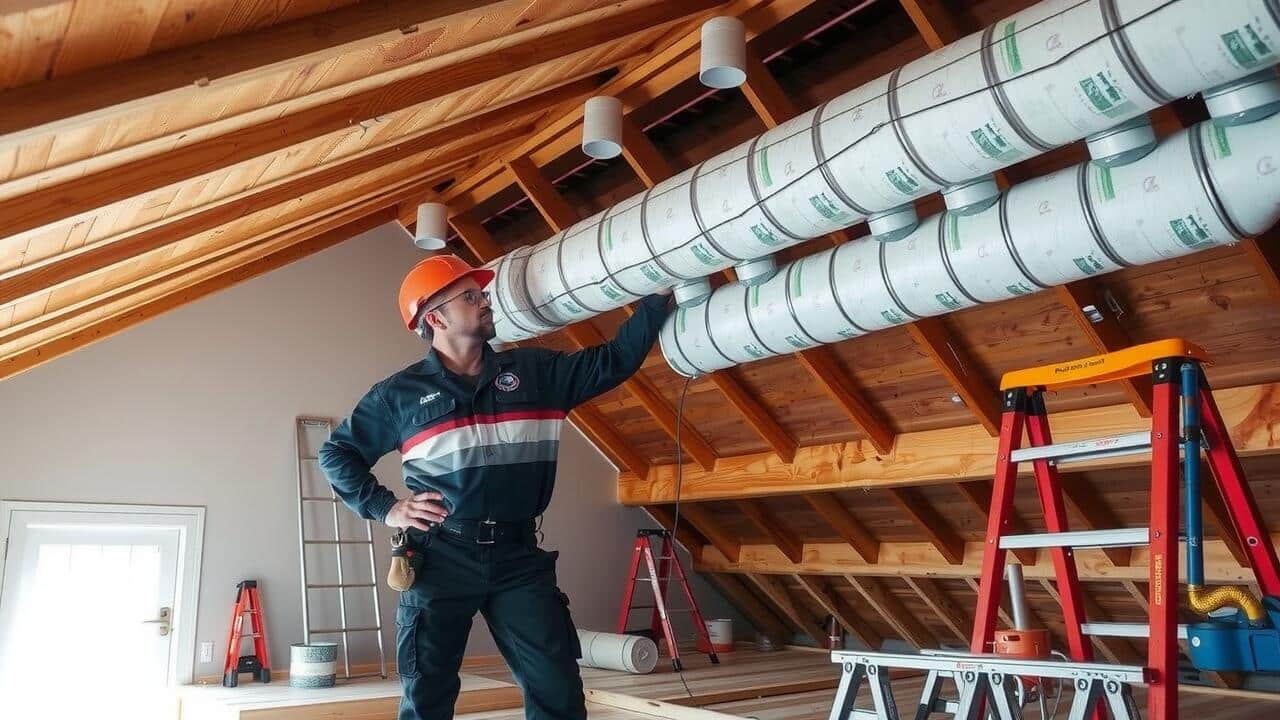
After selecting the appropriate insulation, the installation can proceed. Technicians measure and cut the insulation to fit the ducts securely. They wrap the insulation around the ductwork and secure it in place using tape, adhesive, or mechanical fasteners. Special care is taken to cover all exposed areas to prevent heat loss or gain. This meticulous process not only enhances energy efficiency but also contributes to maintaining consistent temperatures throughout the home.
DIY vs. Professional Services
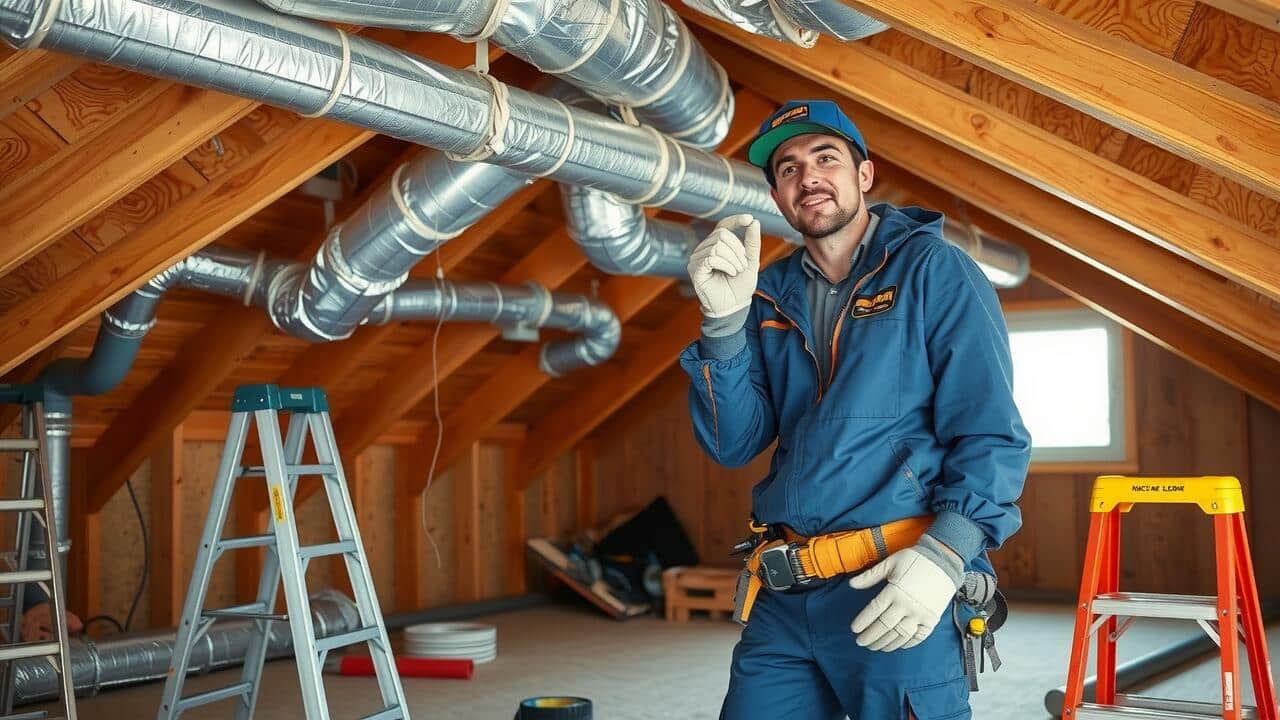
Many homeowners consider taking on air duct insulation projects themselves to save on costs. With the right tools and materials, individuals can successfully wrap ductwork, minimizing energy loss and improving efficiency. Resources such as instructional videos and guides can provide valuable insights into the installation process. However, unfamiliarity with safety protocols and building codes may pose challenges.
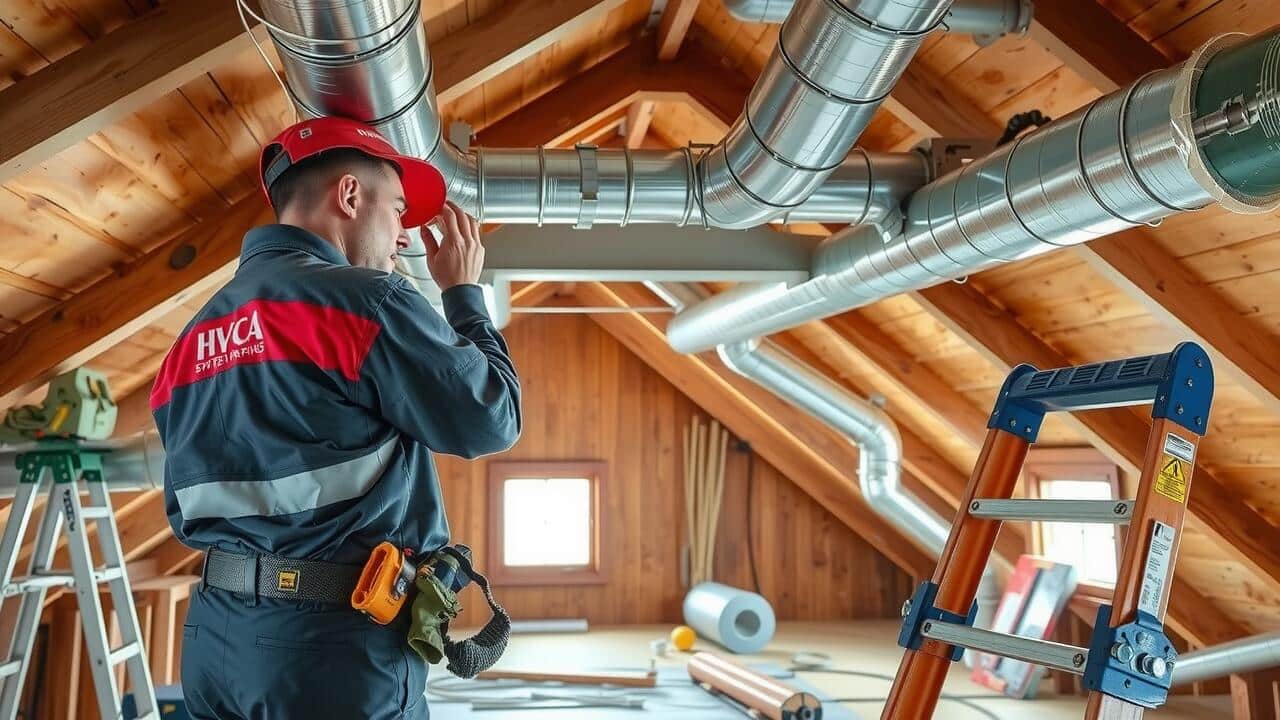
On the other hand, hiring professional services ensures that the installation meets industry standards. Experts possess the experience and knowledge necessary to navigate complex layouts and identify potential issues that a novice might overlook. Additionally, professionals often offer warranties on their work, providing peace of mind regarding the longevity and effectiveness of the insulation. Choosing between DIY or professional help ultimately depends on the homeowner’s skill level, budget, and the specific requirements of their air duct insulation project.
Common Misconceptions About Duct Insulation
Many people believe that air duct insulation is only essential in colder climates, leading to a misconception that it is unnecessary in warmer areas. This is not true. Even in hot regions, ductwork can lose cool air as it travels through unconditioned spaces. Insulating ducts helps maintain the desired temperature, ensuring that energy costs do not skyrocket due to inefficient cooling.
Another common myth is that duct insulation does not significantly impact energy efficiency or comfort. However, the reality is quite the opposite. Properly insulated ducts minimize heat transfer, which can drastically improve the system’s overall efficiency. This not only enhances comfort levels within a home but also reduces wear and tear on HVAC systems, ultimately prolonging their lifespan.
It’s Only Necessary in Cold Climates
Many homeowners mistakenly believe that air duct insulation is only essential in colder climates. This perception often stems from the idea that insulation’s primary function is to retain heat. While it is true that cold environments benefit significantly from insulated ducts, warmer climates have their own unique challenges that make proper insulation equally important. For instance, air conditioning systems also experience energy loss, and uninsulated ducts can contribute to unnecessarily high cooling costs.
Moreover, duct insulation plays a crucial role in regulating temperature and maintaining indoor comfort regardless of external conditions. In hot weather, ducts can heat up as they run through unconditioned areas, resulting in warm air being delivered to living spaces. Well-insulated ducts help minimize this heat gain, ensuring more efficient temperature control and improved energy usage. Neglecting air duct insulation can lead to diminished system performance, regardless of the climate you live in.
The Role of R-Value in Duct Insulation
R-Value measures the thermal resistance of insulation materials. It indicates how effectively a product can prevent heat loss or gain. For air duct insulation, selecting an appropriate R-Value is crucial in achieving energy efficiency. Higher R-Values offer better insulation performance, making it essential for maintaining stable indoor temperatures. When ducts run through unconditioned spaces, such as attics or crawl spaces, a higher R-Value helps reduce energy waste and improve system efficiency.
Choosing the right R-Value for air duct insulation depends on various factors, including climate and location. In colder regions, higher R-Values are recommended to combat heat loss. Conversely, areas with warmer climates may benefit from insulation with lower R-Values while still maintaining adequate energy efficiency. It is essential to assess the specific needs of your HVAC system and the environment to determine the most appropriate insulation level.
How to Choose the Right R-Value
Choosing the right R-value for air duct insulation is crucial for maximizing energy efficiency. The R-value measures a material’s resistance to heat flow; a higher R-value indicates better insulating properties. Factors such as climate, the specific application of the ducts, and the location of your home all influence the required R-value. In colder climates, higher R-values are generally needed to minimize heat loss, whereas moderate climates may require less intensive insulation.
When selecting insulation materials, consider the specific requirements of your system and building codes in your area. Different types of insulation, such as fiberglass or foam board, offer varying R-values. The thickness and density of the insulation can also impact performance. Consulting with a professional can provide valuable insights into the appropriate R-value for your air duct insulation, ensuring optimal performance without overspending on materials.
FAQS
Why should ductwork be wrapped in insulation?
Wrapping ductwork in insulation helps to prevent energy loss, maintain consistent temperatures, and improve the overall efficiency of your heating and cooling system.
What materials are commonly used for duct insulation?
Common materials for duct insulation include fiberglass, foam board, and reflective foil, each offering varying levels of thermal resistance and moisture protection.
Can I insulate my ductwork myself, or should I hire a professional?
While DIY insulation is possible, hiring a professional is recommended for optimal installation, as they can ensure proper sealing and compliance with local building codes.
Is duct insulation necessary in warm climates?
Yes, duct insulation is beneficial in warm climates as it helps to prevent leaks and condensation, maintaining system efficiency and comfort indoors.
How do I determine the right R-value for my duct insulation?
The right R-value for duct insulation depends on your climate zone, the location of the ducts, and your specific energy efficiency goals. Consulting with a professional can help you make an informed decision.