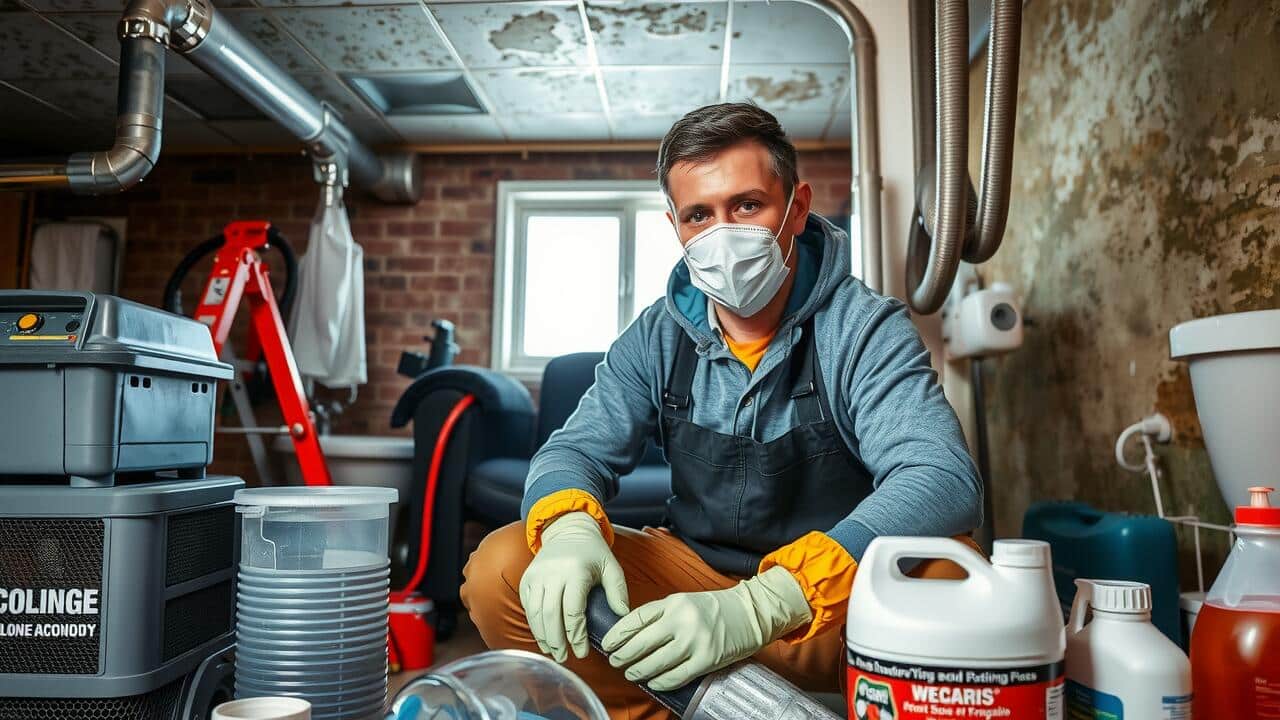
At Express Air Duct Cleaning San Antonio, we understand the serious health risks associated with mold growth in your home’s air ducts. Our specialized Mold Remediation service is designed to thoroughly identify, remove, and prevent mold infestations, ensuring that your indoor air quality is safe and clean. Our team of trained professionals uses advanced techniques and state-of-the-art equipment to effectively eliminate mold spores, preventing them from being circulated throughout your living space. With our commitment to exceptional customer service and rigorous safety standards, we ensure your home is not only a comfortable place but also a healthy environment for you and your family. Trust Express Air Duct Cleaning San Antonio to protect your home from the hidden dangers of mold.
Containment Strategies During Mold Remediation
During mold remediation, effective containment strategies are crucial to prevent the spread of mold spores to unaffected areas. Seal off the contaminated zone using polyethylene sheeting to create a barrier. This helps limit the release of spores into the air and maintains a controlled environment for remediation efforts. Utilize negative air pressure machines to filter airborne contaminants, ensuring that the air in the surroundings remains free of mold particles. Properly sealing vents, doors, and windows minimizes cross-contamination during the removal process.
Personal protective equipment (PPE) plays a vital role in safeguarding the health of remediation professionals and residents. Respirators, gloves, and protective clothing help shield individuals from inhaling mold spores and mycotoxins. Following EPA guidelines, conduct thorough mold assessments to determine the extent of contamination before starting the remediation process. Maintaining optimal ventilation is essential for ensuring that humidity levels remain low, which assists in reducing the risk of mold regrowth after the initial removal.
Best Practices for Containing Mold Spread
Preventing the spread of mold during remediation is essential for maintaining a safe environment. The use of containment strategies helps isolate contaminated areas. Plastic sheeting can be used to seal off affected rooms, preventing spores from escaping into uncontaminated spaces. HEPA filters should be utilized in air purification systems to capture airborne particles and limit cross-contamination. Additionally, ensuring windows are sealed and doorways are covered can control airflow, which might otherwise facilitate the transport of mold spores.
Personal protective equipment (PPE) is crucial for anyone involved in the mold removal process. Goggles can protect the eyes from irritants, while masks equipped with HEPA filters help shield the respiratory system from inhaling harmful particles. Use of biocides and fungicides can further combat mold growth but require careful handling to minimize exposure risks. It is important to address porous materials like carpets and ceiling tiles, as these can harbor mold spores. Regular vacuuming with HEPA-filtered vacuums can help manage dust and debris, reducing the chance of mold re-establishment.
The Role of HEPA Filters in Mold Removal
HEPA filters play a vital role in the effective removal of mold spores and other airborne contaminants during the remediation process. These filters can capture particles as small as 0.3 microns, making them highly efficient in trapping mold spores that are often invisible to the naked eye. In environments that are frequently subjected to dampness, such as attics or basements, the presence of HEPA filters in air purification systems or vacuum cleaners helps ensure that these microorganisms do not recirculate into the indoor air. Their ability to filter out irritants significantly contributes to improving indoor air quality, benefiting individuals who suffer from asthma or allergies.
In addition to enhancing air quality, HEPA filters are also instrumental in not only containing but also addressing the odors associated with mold growth. Odors can result from various compounds produced by mold and bacteria, which may linger in air ducts, on furniture, or within wall cavities. By utilizing HEPA filters alongside proper containment strategies, professionals can minimize exposure to these unpleasant smells. Proper use of HEPA technology also enhances compliance with public health standards, ensuring that all safety equipment is effectively utilized to protect both remediation teams and residents alike.
How HEPA Technology Works
HEPA filters, or high-efficiency particulate air filters, are designed to capture small particles, including mold spores and other allergens. They work by forcing air through a fine mesh that traps a significant percentage of particulate matter. In order to be classified as HEPA, a filter must adhere to strict guidelines set by the American Conference of Governmental Industrial Hygienists, capturing at least 99.97% of particles measuring 0.3 microns in diameter. This ability makes HEPA filters an essential component of effective mold remediation efforts and improving indoor air quality.
The technology is not limited to just residential applications. HEPA filters are widely used in various settings, including hospitals, laboratories, and industrial environments where maintaining a high standard of air quality is crucial. By utilizing these filters in HVAC systems, vacuum cleaners, and air purifying respirators, individuals can reduce exposure to irritants, allergens, and microbial volatile organic compounds that contribute to health issues such as asthma attacks, dermatitis, and throat irritation. This effectiveness highlights the importance of integrating HEPA technology into comprehensive mold remediation strategies to ensure the safety and well-being of occupants in affected spaces.
Costs Associated with Mold Remediation Services
Mold remediation costs can vary significantly based on several factors. The extent of the infestation plays a crucial role, with smaller, contained areas typically requiring less time and fewer resources for treatment. Conversely, widespread mold growth, particularly in water-damaged areas, necessitates extensive cleaning and repair work, driving up overall expenses. Additionally, the materials affected—such as sheetrock, floor coverings, or HVAC systems—can impact the final bill, as each requires a specific approach for effective remediation.
Another key aspect influencing costs is the type of professional services utilized. Hiring certified and experienced contractors often comes at a premium, but their expertise can help ensure a thorough job, minimizing potential health hazards associated with mold exposure. Engaging in proper health and safety measures during the process is critical. Insurance coverage can also play a role; some policies may cover a portion of the remediation expenses, contingent on the nature of the claim. Homeowners should be aware of their insurance policy details, which can significantly affect out-of-pocket costs.
Factors Influencing Mold Removal Prices
The costs associated with mold removal can vary significantly based on several key factors, each affecting the overall price of the service. The extent of the infestation plays a crucial role; larger areas that have been compromised will naturally require more resources and time to remediate. Additionally, accessibility to affected spaces such as attics, air ducts, and behind walls can influence labor costs, as technicians might need specialized equipment to reach these areas. The type of mold present may also dictate treatment methods and materials needed, particularly in the case of toxic molds that require specific containment protocols.
Labor rates are another important consideration, as the skill level and experience of the professionals performing the remediation can impact pricing. Regions with higher costs of living may see elevated pricing for services due to increased overhead for businesses. The quality of remediation products used, including the potential for low VOC cleaners and personal protective equipment (PPE), can further affect costs. If required, additional services, such as HVAC cleaning or air handling unit maintenance, may also contribute to the final price, making it essential to obtain detailed estimates before beginning any project.
FAQS
What is mold remediation?
Mold remediation is the process of removing mold and preventing its return in order to protect the health of occupants and restore affected areas to a safe condition.
Why is containment important during mold remediation?
Containment is crucial to prevent the spread of mold spores to unaffected areas during the remediation process, helping to minimize the extent of contamination and protect the health of those nearby.
How do HEPA filters aid in mold removal?
HEPA filters are designed to capture tiny mold spores and other airborne particles, ensuring that the air is cleaned effectively and reducing the risk of inhalation during the mold remediation process.
What factors influence the cost of mold remediation services?
Costs can vary based on several factors, including the extent of the mold infestation, the type of materials affected, the location of the mold, and the specific remediation methods employed.
Can I perform mold remediation myself, or should I hire a professional?
While minor mold issues can sometimes be addressed by homeowners, it is generally advisable to hire a professional for larger infestations to ensure proper containment, removal, and prevention of future growth.