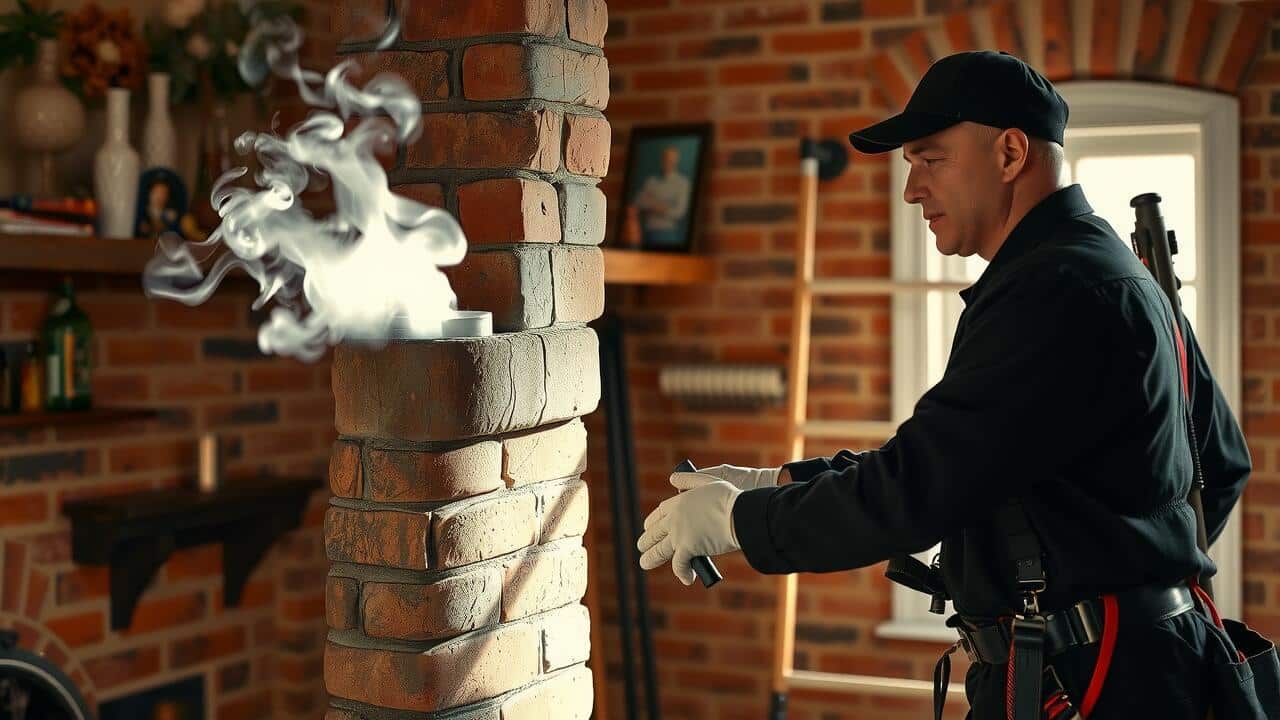
At Express Air Duct Cleaning San Antonio, our chimney sweep service is designed to ensure the safety and efficiency of your home’s heating system. Regular chimney cleaning is essential to prevent chimney fires, eliminate hazardous creosote buildup, and improve air quality in your living space. Our experienced technicians utilize state-of-the-art equipment to thoroughly clean your chimney, inspect for any potential issues, and provide recommendations for maintenance. With our commitment to quality service and customer satisfaction, you can trust us to keep your chimney in top condition, allowing you to enjoy a warm and cozy home without worry.
Types of Chimney Liners
Chimney liners play a crucial role in maintaining the safety and efficiency of your chimney system. They serve to protect the flue walls from heat and corrosion caused by burning fuels, thus preventing hazards such as chimney fires and the release of harmful gases like carbon monoxide. Various materials are available for chimney liners, with stainless steel and clay being the most common options. Stainless steel liners offer durability and resistance to corrosion, making them ideal for gas and wood-burning appliances. Clay liners, on the other hand, are traditionally used in masonry chimneys and provide a smooth surface for the passage of smoke and flue gases.
Choosing the right chimney liner requires consideration of your specific needs and the type of fuel burned. Each option has its unique set of benefits and drawbacks. For instance, while stainless steel liners can accommodate high temperatures and are less prone to damage, clay liners may require more maintenance over time. Proper installation and periodic inspections are essential to ensure that the chimney liner performs as expected. Regular maintenance helps in the early detection of issues like soot build-up or creosote accumulation, which are critical to preventing more severe problems down the line.
Understanding Rigid vs. Flexible Options
Rigid liners are commonly made of materials such as stainless steel or clay, providing durability and a reliable structure for the chimney. Their smooth, non-porous surface allows for efficient airflow, reducing the risk of creosote buildup and fire hazards. Installation often requires precise measurements and may involve extensive labor, especially for existing chimneys that may need significant modifications. Homeowners seeking a long-term solution may find their resistance to heat and corrosion appealing, making them a popular choice among certified chimney professionals.
Flexible liners offer an alternative ideal for chimneys with complex shapes and bends. Constructed from thin stainless steel, they can easily navigate tight curves while maintaining a consistent flue diameter. This flexibility can facilitate quicker installation and may be a fitting option for retrofitting older systems. However, their thinner walls may pose potential risks regarding durability over time. Regular inspections and maintenance remain vital, particularly in regions like the DFW Metroplex where periodic changes in weather can impact chimney performance.
DIY Chimney Maintenance Tips
Regular inspection and maintenance of your chimney can significantly enhance safety and efficiency. Homeowners should equip themselves with a few essential tools, such as a chimney brush, a vacuum designed for soot, and a sturdy ladder. Cleaning the flue can help prevent the buildup of creosote, a highly flammable substance that can lead to chimney fires. It’s important to check for blockages caused by bird nests, leaves, or other debris. Proper cleaning not only maintains air quality but also maximizes the efficiency of your heating system.
When planning maintenance, take care to monitor the condition of the chimney liner. Cracks or deterioration can allow harmful gases to leak into your home. Pay attention to odors that might indicate issues. A simple inspection can help identify problems early, avoiding costly repairs later. Homeowners should also consider using foam products designed to help seal any small gaps. This proactive approach not only protects your home but also preserves the environment by ensuring that emissions are properly vented.
Essential Tools and Techniques for Homeowners
Homeowners can effectively maintain their chimneys by investing in a few essential tools. A sturdy chimney brush is critical for removing soot and flammable creosote buildup that can pose fire hazards. A vacuum cleaner specifically designed for soot will help capture debris during cleaning. Additionally, a flashlight will allow for thorough inspections of the chimney flue, ensuring no nests or obstructions are present. It’s also wise to have a poker on hand to manage wood burning fires in the fireplace effectively.
Employing specific techniques during maintenance can make a significant difference in safety and efficiency. Regularly checking for structural integrity, including the flue liner and flashing, can prevent water damage and other issues. Homeowners should familiarize themselves with visual cues of problems, such as unusual odors or difficulty drawing smoke out of the chimney. Scheduling routine inspections with certified chimney professionals ensures any hidden risks are addressed before they become serious issues. Overall, maintaining good air quality and preventing fire-related incidents are paramount for effective chimney upkeep.
Chimney Repair Solutions
Addressing chimney repair needs promptly can prevent further damage and ensure the safety of the home. Common issues include structural damage, leaks, and the buildup of flammable soot. When diagnosing problems, homeowners should look for signs such as smoke backing up into the living area or the presence of rust around the chimney. Regular inspections are vital to catch these issues early. Proper maintenance not only ensures functionality but also mitigates the risks of carbon monoxide poisoning and incomplete combustion.
Various repair solutions exist depending on the specific problem encountered. Cracks in the masonry can be sealed with specialized repair compounds, while damaged flue liners may require replacement with options such as stainless steel or polypropylene. Homeowners with a deeper understanding of the complications involved can take on minor repairs themselves, while more significant issues may necessitate professional intervention. Maintaining compliance with local regulations will help ensure that any repairs align with safety standards and industry best practices.
Addressing Structural Damage and Common Issues
Structural integrity is crucial for the performance and safety of a chimney. Regular assessments are vital to identify any signs of wear, such as cracks or loose bricks. These issues can lead to dangerous situations, including the risk of asphyxiation from gas or smoke leaks. Homeowners should pay attention to moisture damage, which can compromise masonry and result in further complications. Using tools like a shop vac during cleaning can help reduce debris buildup, allowing for a clearer view of any potential structural concerns.
Common issues such as rusted or damaged chimney liners can cause significant problems as well. Liners are essential for channeling harmful gases safely out of the home. If issues are detected, repairing or replacing gaskets and liners should be prioritized. Seeking professional evaluation is wise, especially for complex repairs that can affect overall function. Homeowners should also stay informed about local safety laws and regulations, ensuring compliance while maintaining their chimney system effectively. By investing time and resources into chimney maintenance, individuals can prevent larger, more costly repairs down the line.
FAQS
What is the purpose of a chimney sweep?
A chimney sweep is responsible for cleaning and maintaining chimneys to ensure safe and efficient operation, preventing chimney fires and carbon monoxide buildup.
How often should I have my chimney swept?
It is generally recommended to have your chimney swept at least once a year, especially if you use your fireplace regularly. However, if you notice excessive soot buildup or use your fireplace more frequently, more frequent cleanings may be necessary.
What are the different types of chimney liners?
The main types of chimney liners include rigid liners, flexible liners, and clay liners. Each type has its advantages and is suitable for different chimney designs and purposes.
Can I perform chimney maintenance myself?
Yes, homeowners can perform some basic chimney maintenance, such as inspecting for debris and cleaning the exterior. However, for a thorough cleaning and to address any repairs, it’s best to hire a professional chimney sweep.
What should I do if I notice structural damage to my chimney?
If you notice any structural damage, such as cracks or leaning, it’s crucial to contact a professional chimney repair service immediately to assess the damage and recommend proper repairs to ensure safety.