Table Of Contents
Vacuuming the Blower Motor
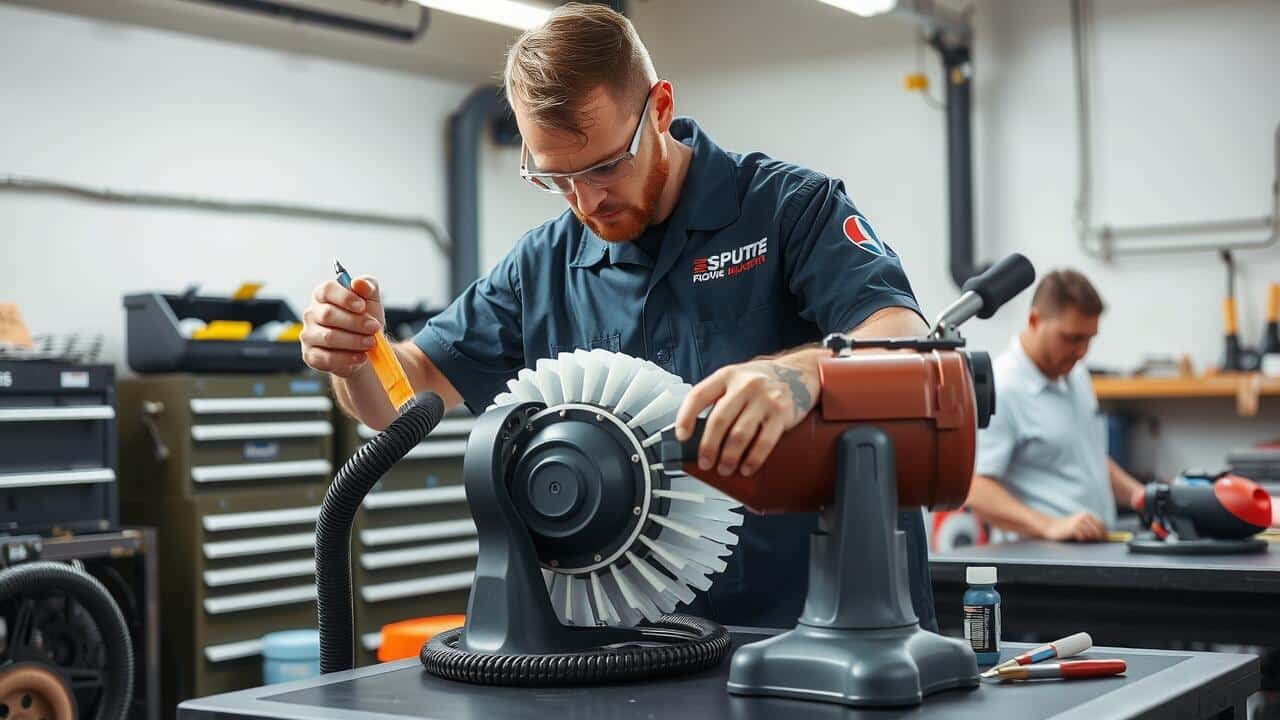
Vacuuming the blower motor is an essential step in the blower motor cleaning process. Begin by disconnecting the power supply to ensure safety. Use a nozzle attachment to reach into the motor housing and carefully remove any dust or debris. The vacuum’s suction power can effectively eliminate loose particles that may hinder the motor’s performance. Regular maintenance through vacuuming can extend the lifespan of the motor and improve the overall efficiency of the HVAC system.
While vacuuming the blower motor, pay attention to the surrounding areas as well. Cleaning the intake and exhaust vents enhances air circulation. This method helps prevent the accumulation of dirt in hard-to-reach spots. Utilizing a vacuum designed for fine debris ensures you capture even the smallest particles. When done routinely, orderly vacuuming contributes to a cleaner environment and optimal functioning of the blower motor.
Best Practices for Effective Results
Using a vacuum with a narrow nozzle attachment proves to be an effective way to clean the blower motor. Pay attention to the areas around the fan blades and housing, as dust and debris tend to accumulate there. It’s recommended to work slowly, allowing the vacuum to capture particles without disrupting them too much. This method reduces the risk of pushing dirt deeper into the motor components.
In addition to vacuuming, it’s beneficial to perform regular maintenance to keep the blower motor functioning well. Performing blower motor cleaning on a routine schedule can prevent extensive buildup. Inspecting the motor periodically can help identify potential issues before they become significant problems. Consistent cleaning ensures not just better air quality, but also enhances the longevity of the system.
Cleaning the Blower Motor with a Brush
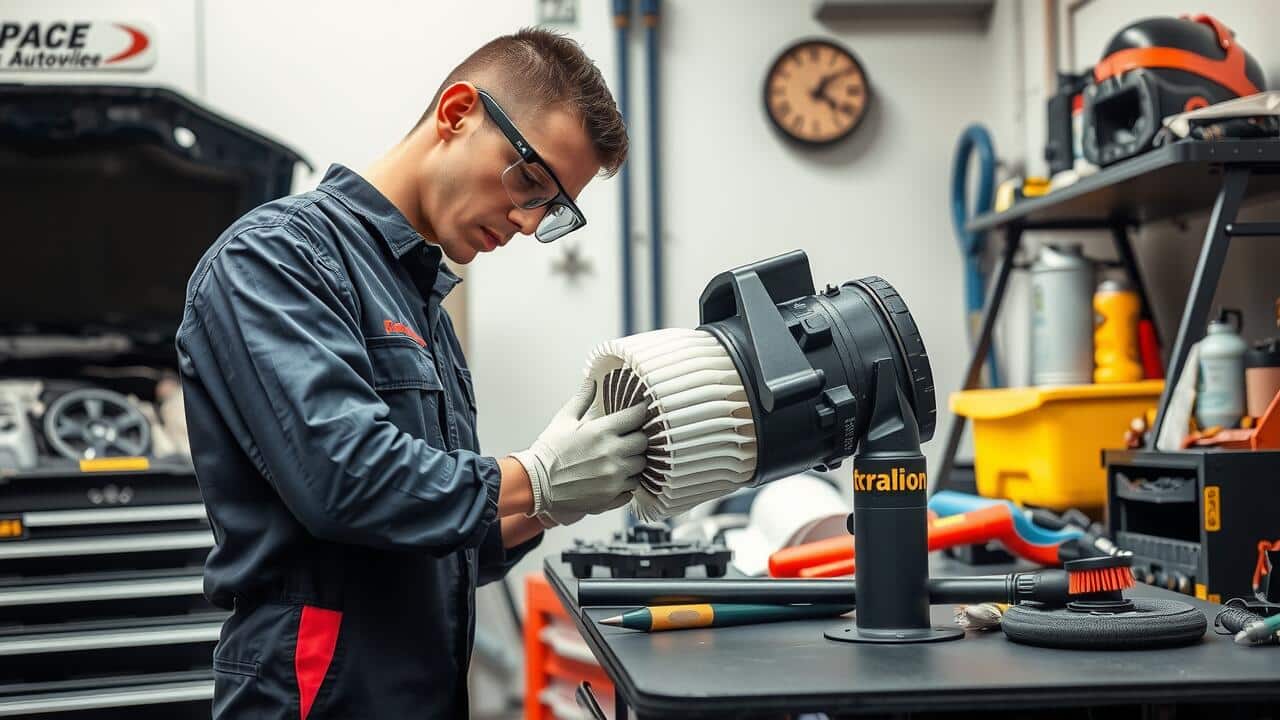
To effectively clean a blower motor using a brush, it’s essential to select an appropriate type of brush that won’t cause any damage to the motor’s components. A soft-bristled brush is ideal, as it can gently dislodge dirt and debris without scratching sensitive surfaces. Focus on areas where dust tends to accumulate, such as the fan blades and housing. Careful brushing helps maintain airflow efficiency and reduces strain on the motor.
Using the brush for blower motor cleaning requires an organized approach. Start by removing any loose debris with a gentle sweeping motion. Then, pay special attention to corners and crevices where dirt can hide. Ensure the brush reaches all parts of the motor for a comprehensive clean. After brushing, consider using a vacuum to remove any additional particles that have been dislodged. This thorough method enhances the performance of the blower motor while extending its lifespan.
Choosing the Right Type of Brush
Choosing the right type of brush is essential for effective blower motor cleaning. Soft-bristle brushes are often the best choice, as they can reach into tight spaces without causing damage to delicate components. Look for brushes that are specifically designed for electronic cleaning to minimize the risk of static discharge, which can harm electrical parts. A narrow brush head will also help you reach into the narrow openings of the blower motor more easily.
In addition to bristle brushes, consider using foam-tipped brushes for softer surfaces. These brushes can gently agitate dust and debris without scratching sensitive areas. When selecting a brush for blower motor cleaning, prioritize quality materials that ensure longevity and durability. Proper brush selection not only enhances the effectiveness of the cleaning process but also helps maintain the blower motor’s functionality.
Applying Cleaning Solutions
When it comes to blower motor cleaning, selecting the right cleaning solution is essential for effectiveness and safety. Many products are available that are specially formulated for electrical components. Look for solutions that are safe for plastic and metal parts, ensuring that they will not cause damage during the cleaning process. It’s also important to consider eco-friendly options that minimize environmental impact while maintaining performance.
Once a suitable cleaning solution is chosen, apply it carefully to avoid over-saturation. Use a spray bottle for controlled application, targeting areas that show the most buildup. Allow the solution to sit briefly to break down grime before gently wiping it away with a microfiber cloth. This method ensures thorough cleaning without introducing excess moisture that could interfere with the blower motor’s function.
Recommended Products for Safe Use
When it comes to blower motor cleaning, selecting the right products can significantly enhance the effectiveness of your efforts while ensuring safety. Look for mild cleaners that are specifically designed for electrical components. Products that are non-conductive and non-corrosive are ideal, as they will clean without damaging any sensitive parts. Always check labels for appropriate usage and ensure compatibility with plastic and metal components found in the blower motor.
Additionally, compressed air can be a useful tool in your blower motor cleaning process. Avoid using harsh chemicals or abrasive materials, as these can lead to irreversible damage. Opt for soft cleaning solutions that help remove dirt without leaving residues. Keeping a clean workspace and maintaining proper ventilation will further ensure safety while you clean the blower motor. Always handle products with care and follow safety guidelines provided by the manufacturer.
FAQS
Can I clean my blower motor without removing it?
Yes, you can clean the blower motor without removing it by using methods such as vacuuming, brushing, and applying appropriate cleaning solutions.
What tools do I need to clean a blower motor?
The basic tools needed include a vacuum cleaner with a nozzle attachment, a soft-bristled brush, and cleaning solutions suitable for electrical components.
How often should I clean my blower motor?
It is recommended to clean your blower motor at least once a year, or more frequently if you notice a decrease in performance or excessive dust buildup.
Are there specific cleaning solutions I should use?
Look for cleaning solutions that are safe for electrical components, such as compressed air or specialized cleaner sprays designed for blower motors. Avoid harsh chemicals that may damage the motor.
What if I notice a burning smell after cleaning?
If you notice a burning smell after cleaning, it could indicate that debris is still present or that there is an issue with the motor itself. It’s advisable to stop using the blower and have it inspected by a professional.