Table Of Contents
Safety Considerations
Furnace cleaning is not just about maintaining efficiency; it’s essential for ensuring safety in your home. Dust and debris can accumulate within the furnace, leading to potential hazards such as carbon monoxide buildup. Regular cleaning helps to reduce the risk of these dangerous situations. Homeowners should also be aware of the need for proper ventilation. A blocked vent can lead to insufficient air supply and create unsafe operating conditions.
Additionally, it is important to switch off the power supply before undertaking any cleaning tasks. This minimizes the risk of accidental activation while you work. Wearing appropriate personal protective equipment, such as gloves and masks, is also advisable. This protects individuals from inhaling dust and allergens that may be disturbed during the cleaning process. Following these safety measures can help ensure a safe and effective furnace cleaning experience.
Ensuring Safe Furnace Operation
Regular furnace cleaning is a crucial step in ensuring safe operation. Dust, debris, and other contaminants can accumulate over time, creating fire hazards and reducing efficiency. A clean furnace operates more effectively, reducing the risk of overheating and system failure. Homeowners should prioritize annual inspections and maintenance, addressing any buildup before it becomes a significant issue.
Proper furnace cleaning also contributes to better air quality in the home. A neglected furnace can circulate dust and allergens, leading to respiratory problems for residents. By maintaining a clean system, not only do you enhance the reliability of your furnace, but you also promote a healthier living environment. Routine cleaning can prevent larger, more expensive problems down the line, making it an essential part of furnace management.
Impact of Neglecting Maintenance
Neglecting maintenance for a furnace can lead to a variety of problems that affect its efficiency and safety. Dust, dirt, and debris can accumulate within the system, hindering airflow and causing the furnace to work harder than necessary. This not only results in higher energy bills but can also shorten the lifespan of the unit. Regular Furnace Cleaning is essential to prevent these issues, ensuring the system operates at peak performance.
Ignoring the need for regular cleaning increases the risk of hazardous situations, including the potential for carbon monoxide leaks. As the furnace struggles to perform, it may produce incomplete combustion, leading to dangerous gases entering the living space. Implementing a routine for Furnace Cleaning minimizes these risks, promoting better air quality and safer home environments. Taking preventative measures ensures that homeowners can enjoy warmth without compromising safety.
Risks of Ignoring Furnace Cleaning
Ignoring furnace cleaning can lead to a buildup of dust, dirt, and debris within the system. These materials not only impede airflow but can also create blockages that reduce efficiency. Over time, this neglect causes the furnace to work harder to heat your home, leading to increased energy bills. A dirty furnace can also affect overall indoor air quality, causing respiratory issues for occupants.
Moreover, the safety risks associated with poor maintenance cannot be overstated. A neglected furnace is more prone to malfunctions, potentially resulting in carbon monoxide leaks or even fires. Regular furnace cleaning minimizes these dangers by ensuring that components are in proper working order. It is crucial to prioritize maintenance to safeguard both your home and your family’s well-being.
Tools and Supplies Needed
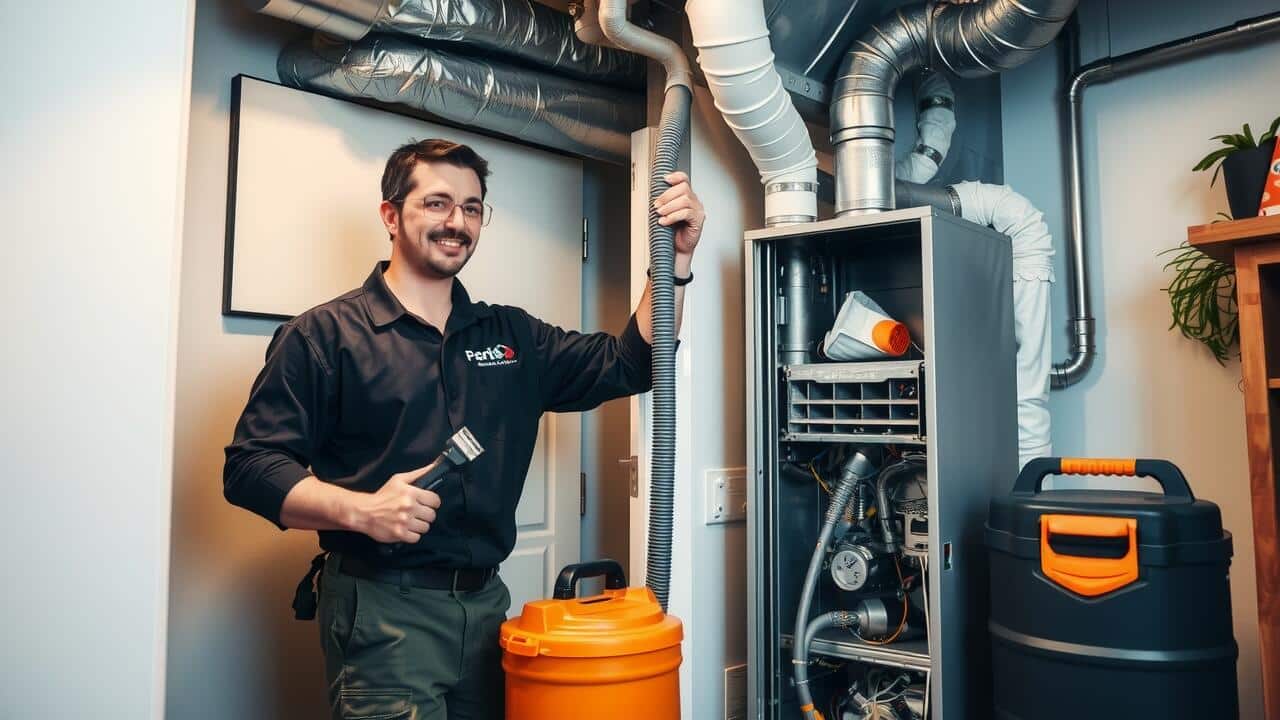
When preparing for furnace cleaning, having the right tools and supplies is essential for effective maintenance. A vacuum with a long hose attachment helps in removing dust and debris from hard-to-reach areas. A soft brush is useful for gently dislodging dirt from components without causing damage. Additionally, a flashlight provides visibility in dark corners, allowing for a thorough inspection of the unit.
Protective gear should also be considered to ensure safety during the cleaning process. Gloves can prevent skin irritation from allergens or dust. A dust mask is advisable to avoid inhaling particles during the cleaning. Having these essential tools and supplies can make furnace cleaning a straightforward task, ensuring that the system operates efficiently and safely.
Essential Equipment for Cleaning
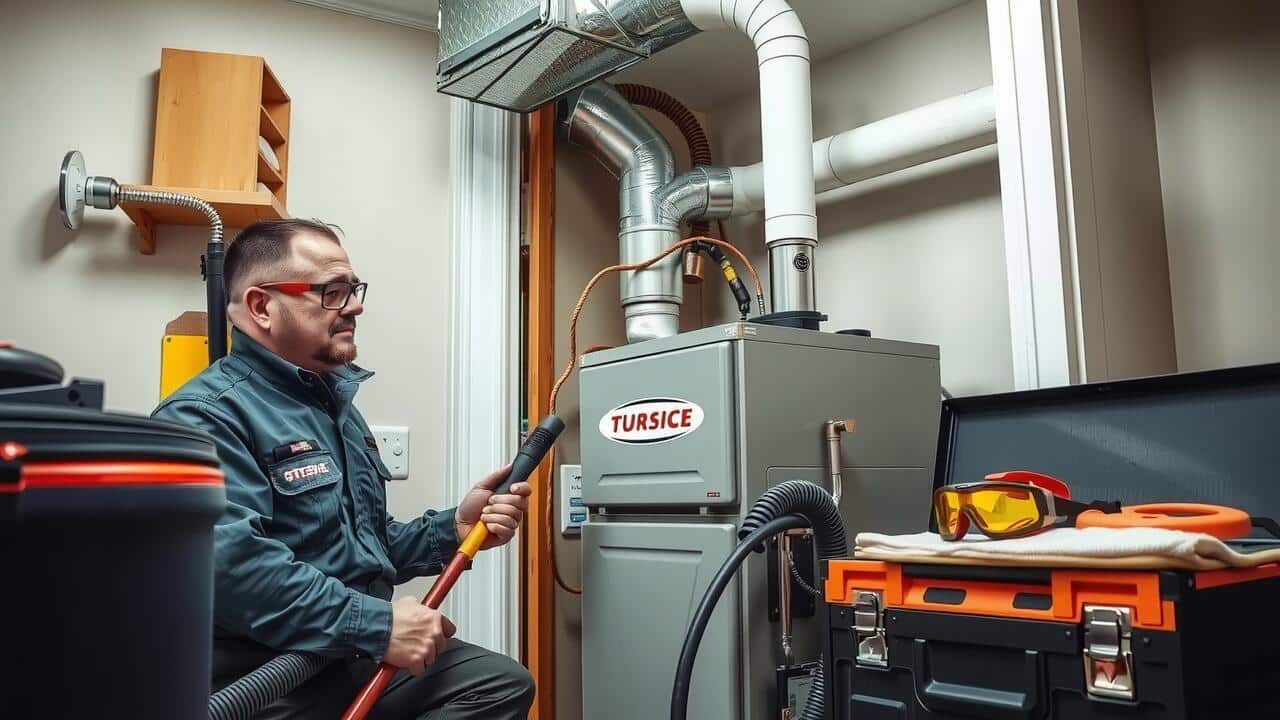
When it comes to furnace cleaning, having the right tools and supplies can make a significant difference in effectiveness. A quality vacuum cleaner designed for both dry and wet messes is essential to remove dust and debris from the furnace’s interior and its surrounding areas. Additionally, a soft-bristled brush will help to dislodge dirt from hard-to-reach spots without damaging sensitive components. Gloves and safety goggles are also important for personal protection during the cleaning process.
In addition to basic tools, some equipment can enhance the cleaning experience. A moisture meter allows you to check for excess humidity, which can lead to mold and other issues if not addressed. A flashlight is invaluable for illuminating dark spaces within the furnace, ensuring you can see every corner. Using these items not only speeds up the cleaning process but also ensures a thorough job, which is crucial for maintaining safe and efficient furnace operation.
FAQS
How often should I have my furnace cleaned?
It’s generally recommended to have your furnace cleaned at least once a year, preferably before the heating season starts in the fall.
What are the signs that my furnace needs cleaning?
Signs that your furnace may need cleaning include unusual noises, reduced efficiency, increased energy bills, and visible dust or debris around the unit.
Can I clean my furnace myself?
While some basic maintenance tasks can be performed by homeowners, it’s best to hire a professional for a thorough cleaning to ensure safety and proper operation.
What are the risks of neglecting furnace cleaning?
Neglecting furnace cleaning can lead to decreased efficiency, higher energy costs, increased risk of breakdowns, and safety hazards such as carbon monoxide leaks.
What tools do I need to clean my furnace?
Essential tools for cleaning your furnace include a vacuum cleaner, a brush, a screwdriver, and cleaning cloths. However, professional services may have specialized equipment for a more comprehensive clean.