Table Of Contents
Step-by-Step Mold Removal Process
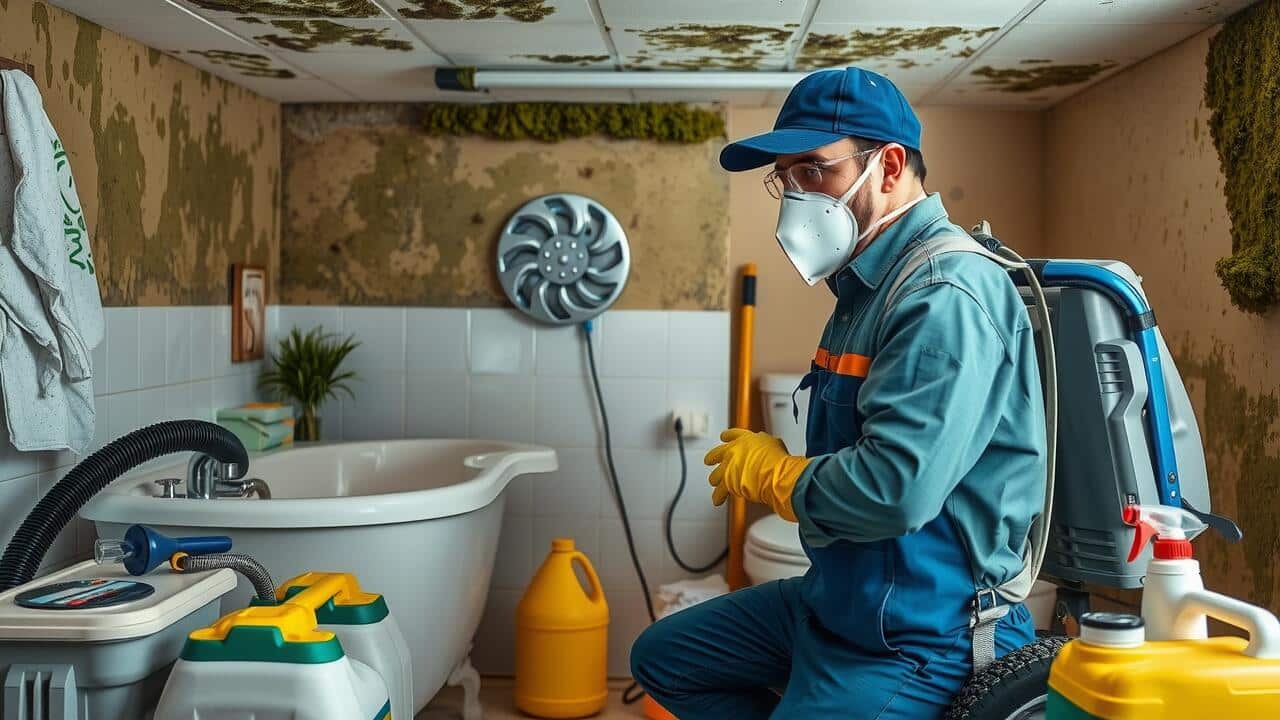
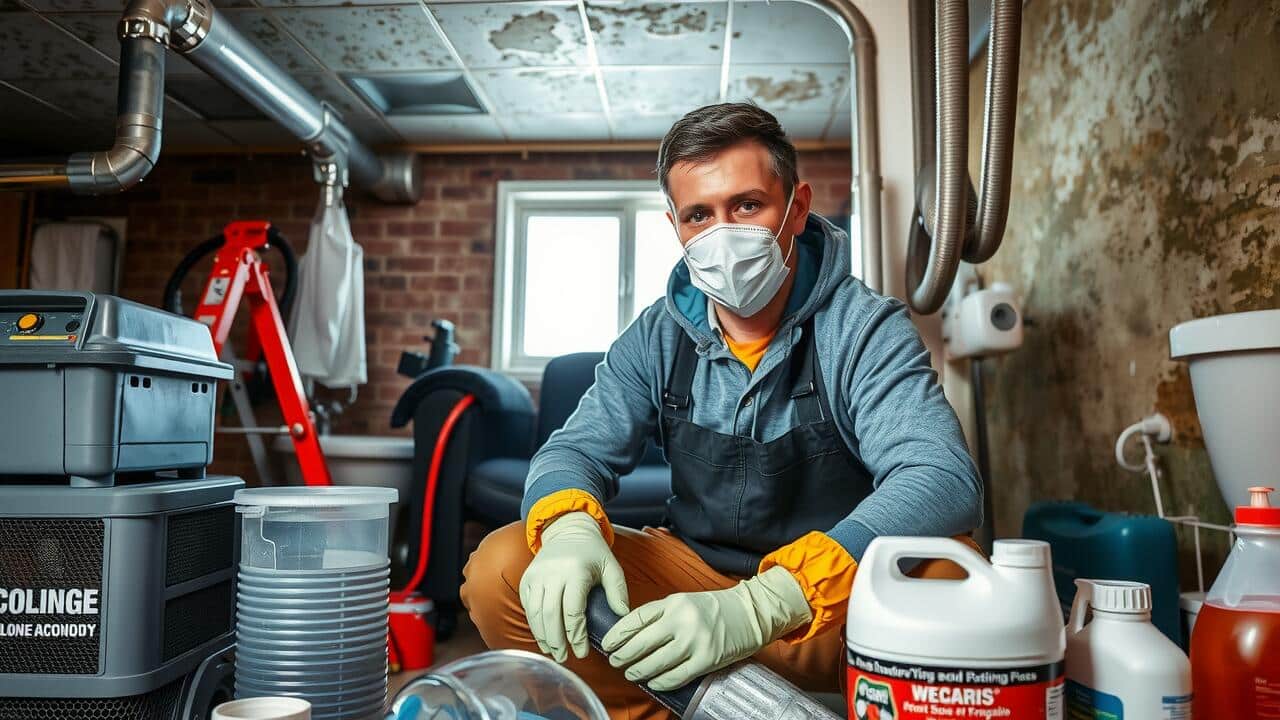
To effectively tackle mold growth at home, begin by identifying the affected areas and assessing the extent of the problem. Equip yourself with protective gear, including gloves, goggles, and a mask. This ensures safety while you work. Next, remove any belongings from the affected area to prevent contamination and facilitate the cleaning process. If the mold is isolated behind walls or in hidden spaces, consider cutting out sections of drywall or insulation to eliminate the source completely. This initial step is crucial for successful mold remediation.
Once you’ve cleared the area, clean the surfaces with a mixture of water and detergent, or a specialized mold removal product. Use a scrubbing brush to remove visible mold, ensuring you reach crevices and corners. For porous materials, such as carpets or wood, replacement may be necessary if cleaning does not eliminate the problem. After removing mold, dry the surfaces thoroughly; moisture is a key ingredient for mold growth. Following these steps diligently lays the groundwork for effective mold remediation and a healthier living environment.
Effective Techniques for Different Surfaces
When tackling mold on different surfaces, the approach may vary based on the material involved. For hard surfaces like tiles, glass, and metal, a simple solution of soap and water can effectively remove surface mold. In cases of more persistent growth, using a mixture of water and bleach can help eliminate the spores. Always ensure proper ventilation and wear protective gear to avoid inhaling harmful spores during mold remediation.
Porous materials such as wood and drywall require a more cautious approach. Mold can penetrate these surfaces, making thorough cleaning essential. For wood, consider using a mixture of vinegar and water as it can kill most types of mold without damaging the material. If drywall has mold present, cutting away and replacing the affected sections is often the best course of action, as remediation may be less effective on deeply embedded spores. Each type of surface presents unique challenges, and appropriate techniques are vital for successful mold remediation.
Preventing Future Mold Growth
Preventing future mold growth requires a proactive approach that focuses on moisture control and proper ventilation. Maintaining low humidity levels in indoor spaces is essential. Utilizing dehumidifiers and air conditioners during humid months can significantly reduce moisture in the air. Regularly inspecting areas prone to leaks, like roofs and plumbing, helps catch issues before they lead to extensive mold problems. When you address these factors, you minimize the risk of mold developing in the first place.
Regular cleaning practices also play a crucial role in mold prevention. Using mold-resistant products in areas such as bathrooms and kitchens can be an effective strategy. Sealing surfaces with appropriate sealants can provide an additional barrier against moisture. For those who have previously dealt with mold issues, mold remediation techniques should be remembered when setting up preventive measures. Implementing these strategies in daily routines ensures a healthier living environment and reduces the likelihood of mold resurgence.
Key Strategies for Mold Prevention
To effectively prevent mold growth, maintaining low humidity levels indoors is crucial. Using a dehumidifier can help regulate moisture, especially in areas prone to dampness, like basements and bathrooms. It’s important to ensure proper ventilation in these spaces. Opening windows or using exhaust fans during and after activities that generate moisture, such as cooking or showering, will help keep humidity in check.
Another strategy involves regular inspection of roofing, gutters, and plumbing. Promptly addressing water leaks or drainage issues minimizes the chances of mold taking hold. Keeping windows and doors properly sealed can also prevent moisture from infiltrating your home. Implementing these practices aids in mold remediation efforts and creates an environment less conducive to future growth.
When to Seek Professional Help
Sometimes, mold growth can be extensive or deeply entrenched within walls, ceilings, or other materials. When this occurs, your DIY efforts may not effectively address the underlying issue. In such cases, seeking professional help becomes essential. Mold remediation specialists have the expertise, equipment, and knowledge to safely and effectively remove mold and address the sources of moisture that facilitate its growth.
If you or anyone in your household experiences health issues related to mold exposure, professional assistance is vital. Symptoms like persistent coughing, sneezing, or allergic reactions can indicate a more significant problem. Mold remediation services are equipped to handle such situations, ensuring not only the removal of mold but also a thorough evaluation of potential health risks associated with ongoing mold issues.
Indicators That DIY Is Not Enough
Homeowners may believe they can handle mold removal on their own; however, specific indicators suggest that DIY efforts might not suffice. If the mold covers a large area—typically more than ten square feet—professional assistance is recommended. Additionally, persistent odor and recurring mold emergence indicate an underlying issue that simple cleaning may not address.
Another critical factor is the presence of water damage or leaks, which often contribute to mold proliferation. If mold occurs in hidden areas like behind walls or under floors, expert mold remediation is essential to correctly identify and resolve the source of moisture. Health concerns, such as allergic reactions or respiratory issues experienced by occupants, also warrant professional intervention to ensure a safe living environment.
FAQS
Can I remove mold myself?
Yes, many homeowners can safely remove small amounts of mold by following proper procedures and using the right materials.
What materials do I need for DIY mold removal?
Common materials include gloves, a mask, disinfectants like vinegar or bleach, scrub brushes, and disposal bags for contaminated items.
How can I determine if the mold is too extensive for a DIY removal?
If the affected area is larger than 10 square feet, or if you experience health issues such as respiratory problems, it may be best to seek professional help.
What are some effective techniques for removing mold from different surfaces?
For non-porous surfaces, scrubbing with bleach or vinegar can be effective. For porous materials like drywall, it may be necessary to remove and replace the affected sections.
How can I prevent mold from growing in the future?
Key strategies include keeping humidity levels low, using dehumidifiers, ensuring proper ventilation, and promptly fixing leaks or water damage.