Table Of Contents
Cleaning Techniques for a Clogged Blower Motor
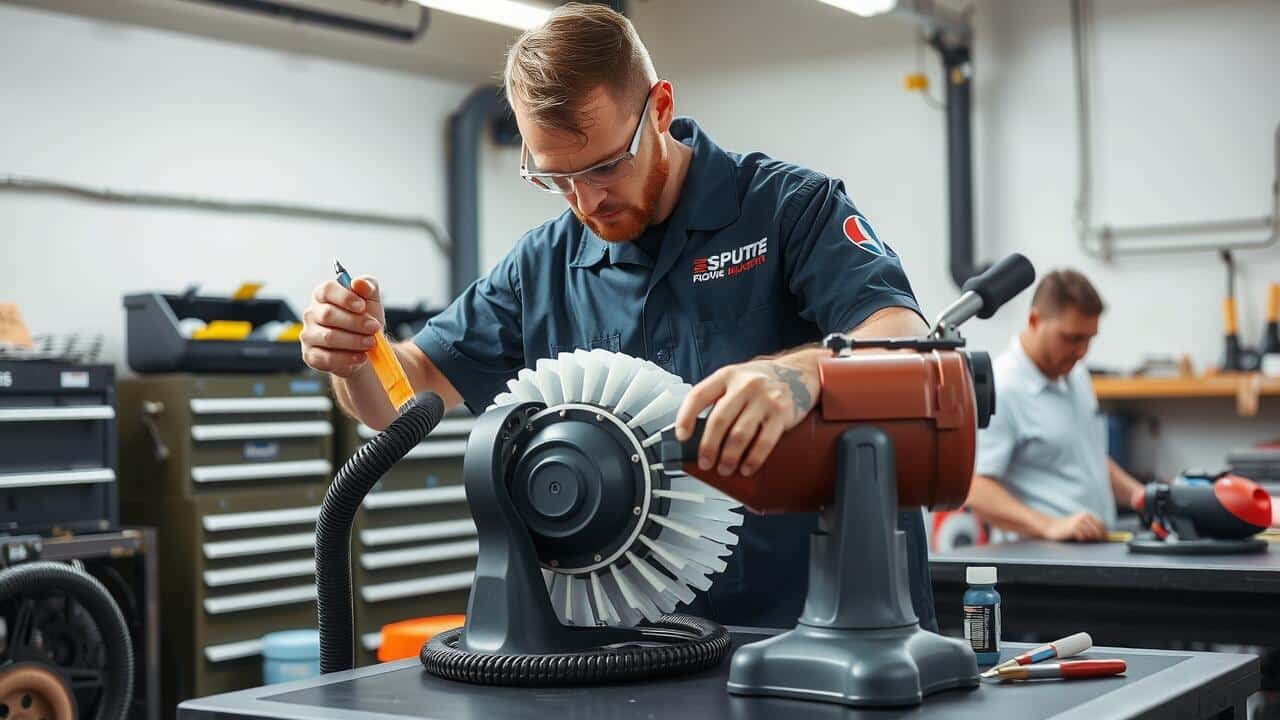
Blower Motor Cleaning requires a careful approach to ensure effective removal of dust and debris. Start by turning off the power to the HVAC system to prevent any accidents. Once the system is powered down, remove the access panel to reach the blower motor. A vacuum cleaner with a brush attachment can be effective in removing loose debris. For sticky or hard-to-reach areas, consider using a soft cloth dampened with a mild detergent. Ensure that all components are dry before reassembling the unit.
After the initial cleaning, inspect the blower motor for any signs of wear or damage. Replacing worn parts early can prevent more significant issues down the line. Regular maintenance is crucial to keep the blower motor functioning efficiently. Consider scheduling cleanings every season to maintain optimal air quality and performance. This proactive approach helps to prevent the buildup of dust and pollen that contributes to inefficiencies in airflow.
Step-by-Step Guide to Safe Cleaning
Start by turning off power to the HVAC system. Ensure safety first by unplugging the unit or switching off the circuit breaker. Remove the access cover to the blower motor. Use a vacuum with a soft brush attachment to carefully remove dust and debris from the motor and surrounding area. This step will help you avoid damaging any sensitive parts while clearing out accumulated dirt.
Next, use a damp cloth to wipe down the exterior components of the blower motor. For deeper cleaning, consider using a brush designed for delicate electronics to reach tight spaces. Blower Motor Cleaning products may also be used, but ensure they are specifically intended for this type of equipment. After cleaning, reassemble all components and restore power to the HVAC system. Test the blower motor to confirm it is operating efficiently once more.
Professional Help vs. DIY Solutions
When dealing with a clogged blower motor, homeowners often face the choice between professional help and DIY solutions. DIY cleaning might seem appealing due to cost savings and the opportunity for hands-on involvement. However, without the right tools and knowledge, it could lead to further complications, leaving the blower motor or the entire HVAC system at risk. Understanding the intricacies involved in blower motor cleaning is crucial, as improper handling may cause damage that results in expensive repairs.
Professional HVAC technicians bring expertise and experience that enable them to effectively address a clogged blower motor. Their trained eye can identify underlying issues beyond just the debris causing the blockage. While enlisting professional services may require a financial investment, it often pays off through improved performance and longevity of the HVAC system. Homeowners should carefully evaluate their comfort level with DIY methods compared to the potential benefits of expert assistance when it comes to blower motor cleaning.
When to Call an HVAC Technician
Determining when to call an HVAC technician can be a challenge for homeowners. If you notice unusual noises coming from your system or a significant reduction in airflow, these may be signs that your blower motor requires professional attention. Ignoring these symptoms can lead to more severe issues and costly repairs. Blower motor cleaning by a qualified technician ensures that any dirt or debris affecting performance is thoroughly removed, allowing your system to operate efficiently.
Additionally, if you have attempted basic maintenance and still encounter problems, it is wise to seek professional help. A technician can provide a comprehensive inspection and identify underlying issues that might not be apparent. They possess the tools and expertise necessary for effective blower motor cleaning, preventing further complications and ensuring that your heating and cooling system functions optimally. Relying on professionals can save time and provide peace of mind.
Preventive Measures to Avoid Clogging
Regular maintenance is essential for preventing clogs in your blower motor. Schedule routine inspections to check for dust accumulation and debris. Changing the air filters consistently helps ensure that your HVAC system operates efficiently. Clean filters can significantly reduce the chances of particles entering the blower motor. Keeping the area around the HVAC system free of obstructions helps maintain optimal airflow.
Implementing a routine blower motor cleaning strategy also promotes better indoor air quality. Ensure that vents and ducts are clear of blockages to facilitate smooth air circulation. Investing in a good quality air purifier can further assist in trapping small particles before they reach the blower motor. By taking these preventive steps, you can extend the life of your system and reduce the likelihood of mechanical issues related to clogs.
Strategies for Maintaining Air Quality
Regular maintenance of your HVAC system is crucial for optimizing air quality in your home. One effective strategy involves scheduling routine inspections and servicing. Inspections can help identify issues such as dust accumulation in ductwork and around the blower motor. Blower motor cleaning becomes essential during these maintenance sessions, ensuring that the air circulating through the system remains clean and free of contaminants. Keeping the blower motor in good condition helps improve overall efficiency and prolongs the lifespan of the HVAC system.
Another important measure is the use of high-efficiency air filters. These filters capture more particles and allergens, reducing the load on the blower motor. When filters are regularly replaced or cleaned, airflow improves significantly. It’s also beneficial to establish a cleaning schedule for the vents and ducts to further prevent dust buildup. Implementing these strategies will aid in maintaining not only the performance of the blower motor but also the quality of air within your living space.
FAQS
Can a blower motor get clogged?
Yes, a blower motor can get clogged due to the accumulation of dust, dirt, and debris, which can obstruct airflow and reduce its efficiency.
What are the signs of a clogged blower motor?
Signs of a clogged blower motor include unusual noises, reduced airflow from vents, increased energy bills, and the HVAC system cycling on and off frequently.
How often should I clean my blower motor?
It’s recommended to clean your blower motor at least once a year, preferably before the heating or cooling season begins, to ensure optimal performance.
Can I clean a blower motor myself?
Yes, you can clean a blower motor yourself by following safe cleaning techniques and a step-by-step guide, but ensure you turn off power to the unit and take appropriate precautions.
When should I call an HVAC technician for my blower motor?
You should call an HVAC technician if you notice persistent issues after cleaning, hear unusual sounds, or if the system is not functioning correctly, as there may be a more significant underlying problem.