Table Of Contents
Common Mistakes in Mold Remediation
One common mistake in mold remediation is overlooking hidden infestations. Homeowners often focus on visible mold, neglecting areas like behind walls or under carpets where mold can thrive unnoticed. This can lead to recurring problems, as spores may continue to spread if the source of moisture is not addressed. Proper inspection and assessment are crucial for effective remediation, ensuring all affected areas are treated.
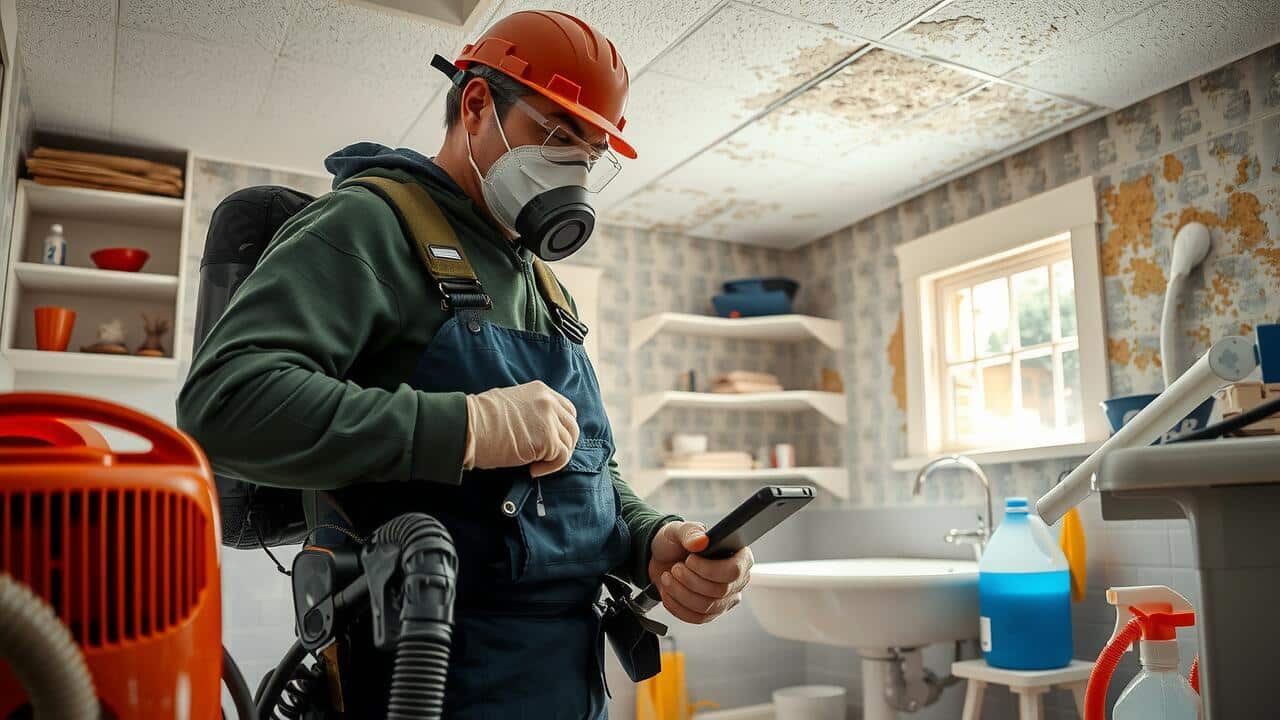
Another frequent error involves attempting a DIY approach without adequate knowledge or protective measures. While the idea of saving money is appealing, improper handling of mold can exacerbate the situation. The use of incorrect cleaning agents or insufficient containment strategies may result in further contamination. Professional mold remediation services possess the expertise and equipment necessary to handle infestations safely and effectively, minimizing health risks and potential property damage.
Ignoring Hidden Infestations
Hidden infestations pose a significant challenge during mold remediation efforts. Often, the visible signs of mold do not accurately reflect the extent of the problem. Mold can thrive in concealed areas such as behind walls, under flooring, or within HVAC systems, making early detection difficult. Homeowners might address only the visible mold, allowing hidden colonies to continue to grow and spread unchecked.
When these hidden issues are overlooked, the result can be costly repairs and prolonged health risks for occupants. A thorough inspection is essential to ensure comprehensive mold remediation. Utilizing professional services can aid in identifying these hidden infestations through advanced techniques, which ultimately promotes a more effective and lasting solution in maintaining a healthy living environment.
Insurance Coverage for Mold Remediation
Understanding insurance coverage can be crucial when facing the costs of mold remediation. Many homeowners’ insurance policies may include provisions for mold removal, but the specifics can vary greatly. Policyholders should check their coverage details closely, as some policies limit mold damage claims or exclude them altogether. Certain insurers may only cover mold remediation if the growth resulted from a covered peril like a burst pipe rather than negligence or lack of maintenance.
It’s also important to note that even when mold remediation costs are covered, there may be caps on the amount the insurer will pay. Some policies may only reimburse for a certain percentage of overall mold remediation costs, especially if the mold extends beyond a specified area. Homeowners should document any mold issues thoroughly and maintain open communication with their insurance providers to ensure they understand the claims process and any limitations that may apply.
What Policies Typically Include
Insurance policies often vary in their coverage of mold remediation. Many standard homeowners’ insurance policies provide some level of protection against mold damage, especially if it results from a covered peril, like water damage due to a burst pipe. However, coverage can be contingent on the cause of the mold growth, so policyholders should be aware that mold resulting from neglect or lack of maintenance might not be covered. It’s crucial to review the specific terms and conditions of individual policies to understand the extent of coverage available.
Some policies might include a cap on mold remediation costs, offering only a limited payout for cleanup and repairs. Additionally, certain policies may require policyholders to document the extent of the mold issue and the circumstances leading to its occurrence. This documentation is essential for a successful claim. Homeowners should consult their insurance agents to clarify any uncertainties regarding mold remediation coverage and explore possible endorsements to enhance their protection against future mold issues.
The Importance of Timely Remediation
Timely remediation plays a crucial role in addressing mold issues effectively. Mold can spread rapidly, thriving in damp and humid environments. Delays in addressing mold can lead to extensive damage to property and escalate health risks for occupants. Immediate action helps contain the infestation, minimizing damage and promoting a healthier living environment.
The health risks associated with mold exposure can be significant, particularly for individuals with respiratory conditions or weakened immune systems. Prompt mold remediation reduces the chances of allergic reactions, respiratory problems, and other health issues. By addressing mold promptly, homeowners can protect both their property and the well-being of those who inhabit it.
Health Risks Associated with Mold
Exposure to mold can lead to various health issues, particularly for individuals with respiratory problems or compromised immune systems. Symptoms often include coughing, sneezing, eye irritation, and skin rashes. In more severe cases, prolonged exposure may result in chronic respiratory conditions or exacerbate asthma symptoms, making it essential to act quickly.
Mold can also produce mycotoxins, which are toxic compounds that may pose further health risks. People living in environments with significant mold growth may experience headaches, fatigue, and difficulty concentrating. Mold remediation is vital not just for preserving property but also for safeguarding the health of those who inhabit it. Regular monitoring and timely action can significantly reduce these risks.
FAQS
How much does mold remediation typically cost?
The cost of mold remediation can vary widely depending on the extent of the infestation, the size of the affected area, and the specific methods used. On average, homeowners can expect to pay between $500 to $6,000 for mold remediation services.
What factors influence the cost of mold remediation?
Several factors influence the cost, including the size of the mold-affected area, the type of mold present, the complexity of the remediation process, and whether any additional repairs or renovations are needed after the mold is removed.
Will my homeowners insurance cover mold remediation costs?
Coverage for mold remediation varies by insurance policy. Some policies may cover mold damage if it is caused by a covered peril, such as water damage from a burst pipe. It’s important to review your policy or speak with your insurance agent to understand your coverage.
How can I avoid high costs for mold remediation?
To avoid high remediation costs, it is essential to address moisture issues promptly, maintain proper ventilation, and regularly inspect your home for signs of mold. Early detection can significantly reduce the extent of the infestation and the associated costs.
Is it worth hiring a professional for mold remediation?
Yes, hiring a professional for mold remediation is often worth the investment. Professionals have the expertise, equipment, and cleaning agents necessary to safely and effectively remove mold, minimizing health risks and preventing future infestations.
