Table Of Contents
Signs Your Air Ducts Need Sealing
Air duct sealing is crucial for maintaining efficient airflow in your heating and cooling systems. Homeowners should be vigilant about signs that may indicate the need for sealing. Increased energy bills can signal air leaks within the ductwork, often caused by wear and tear or improper installation. Uneven temperatures in different rooms may also suggest that air is escaping through gaps or cracks in the ducts.
Another indicator is the presence of excessive dust or allergens in your home. If you notice a significant increase in dust accumulation on surfaces, your air ducts might be leaking. Strange noises coming from the ducts, like whistling or banging, can suggest airflow issues that may require air duct sealing. Identifying these signs early can lead to better indoor air quality and improved energy efficiency.
Identifying Common Issues
Several signs can indicate that your air ducts require sealing. One common issue is noticeable fluctuations in temperatures throughout different rooms in your home. This uneven heating or cooling can often stem from leaks or gaps in the ductwork. Additionally, increased energy bills without a corresponding increase in usage might suggest that conditioned air is escaping through unsealed ducts.
Another issue to keep an eye out for is the presence of dust or debris around your air vents. A buildup of dust may indicate that your system is pulling in unfiltered air from leaks, resulting in decreased indoor air quality. If you also notice strange noises when your HVAC system operates, this could further signal that sealing the air ducts is necessary. Identifying these common issues early can help prevent larger problems down the road and improve your home’s efficiency.
DIY Air Duct Sealing
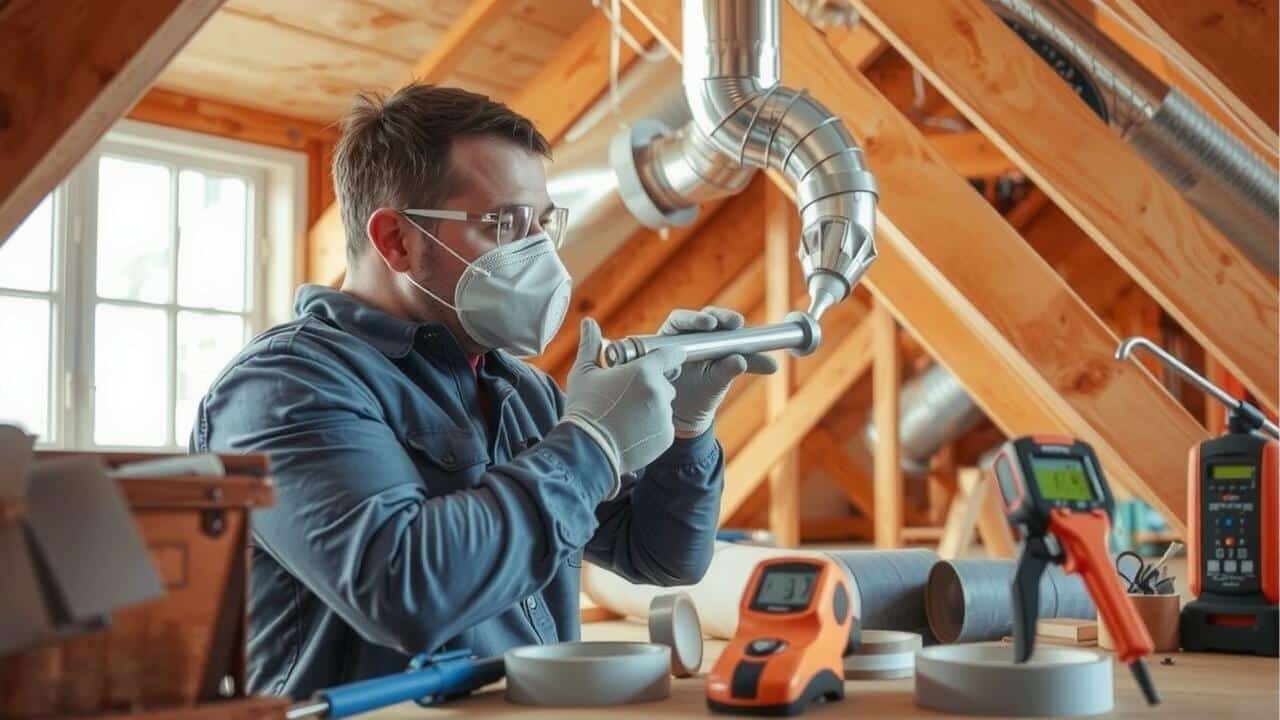
DIY air duct sealing can be a cost-effective way to enhance your home’s energy efficiency. Before starting, inspect your ductwork for gaps, cracks, or other issues. Use a flashlight to look for leaks, paying special attention to joints and connections. Once you’ve identified problematic areas, gather materials such as mastic sealant, metal tape, or duct insulation. Each product has its benefits. Mastic sealant is flexible and fills larger gaps, while metal tape is ideal for smaller, thinner areas.
When applying air duct sealing materials, ensure the surface is clean for optimal adhesion. For mastic, use a brush to apply an even coat over leaks. If you opt for metal tape, press it firmly over the seam, making sure there are no air pockets. Remember to check your work once it has dried and cured appropriately. Taking these steps can significantly reduce air loss and lead to decreased energy bills. Regular maintenance can help prolong the benefits gained from sealing your air ducts.
Tips for Homeowners
Homeowners can take several proactive steps when it comes to air duct sealing. One effective method is to conduct a thorough inspection for visible gaps or leaks. Checking connections at vents and registers can uncover issues that are easy to fix. Using high-quality mastic sealant or aluminum foil tape can ensure a durable seal. It’s also important to clean the ducts regularly. This reduces dust and debris build-up, leading to better efficiency and air quality.
Another crucial aspect is the insulation around the ducts. Properly insulated ducts help minimize energy loss and maintain consistent temperatures throughout the home. Homeowners should consider sealing any holes or uninsulated areas with foam board insulation or duct wrap to enhance performance. Investing time in air duct sealing will not only improve system efficiency but also contribute to comfort and cost savings in the long run.
When to Hire a Professional
Certain situations call for the expertise of a professional when it comes to air duct sealing. If you notice significant air loss, persistent temperature inconsistencies, or unusual noises from the ductwork, these may indicate larger underlying issues that require specialized equipment and knowledge. Additionally, homes with older duct systems may have complex configurations or insulation problems that complicate the sealing process, making professional assistance a wise choice.
Safety should also be a priority when determining whether to seal air ducts on your own. Issues like mold growth, asbestos, or vermin infestations within the ducts can pose serious health risks. A professional can conduct a thorough inspection to address these concerns properly. Relying on an experienced technician helps ensure that the air duct sealing is performed efficiently, maintaining both your home’s air quality and the comfort of its occupants.
Recognizing Complex Situations
Certain situations demand a more nuanced approach when it comes to air duct sealing. Issues such as extensive damage, significant leaks, or corrosion require the expertise of professionals. Homeowners may notice inconsistent airflow or unusual noises that indicate deeper problems within the duct system. Attempting to seal these issues without proper knowledge can lead to inadequate solutions and further complications.
In addition, if your home has complex layouts or duct systems that are difficult to access, it may be challenging to achieve effective air duct sealing on your own. Factors like the age of the ductwork, the materials used, and the overall design can impact the effectiveness of sealing methods. Consultations with HVAC specialists can provide valuable insights and help ensure that the sealing process addresses all underlying issues.
FAQS
What are the signs that my air ducts need sealing?
Common signs include uneven heating or cooling in your home, increased energy bills, excessive dust accumulation, and noticeable airflow issues.
Can I seal my air ducts myself?
Yes, many homeowners can seal their own air ducts using materials like mastic sealant or foil tape. However, it’s important to follow proper techniques to ensure an effective seal.
What are some tips for DIY air duct sealing?
Make sure to clean the ducts before sealing, use high-quality materials, check for any holes or gaps, and ensure your workspace is well-ventilated.
When should I consider hiring a professional for air duct sealing?
You should hire a professional if you encounter complex issues such as extensive duct damage, if your duct system is difficult to access, or if you’re unsure about how to properly seal the ducts.
How often should I check and seal my air ducts?
It’s recommended to inspect your air ducts every few years, or sooner if you notice any signs of air leakage or issues with your heating and cooling system.
