Table Of Contents
Checking Air Vents and Registers
Air duct troubleshooting begins with a thorough examination of the air vents and registers throughout your home. First, ensure that all vents are fully open and not obstructed by furniture, rugs, or other items. Failing to check these areas can lead to reduced airflow and inefficient heating or cooling. Additionally, dust and debris can accumulate in the vents, further restricting airflow. Regular cleaning and maintenance of these openings will help maintain optimal performance.
Next, evaluate the overall condition of each register. Look for signs of damage or bending that could affect the ability of air to pass through. If any registers are noticeably cooler or warmer than others when the system is running, it may be an indication of a blockage or malfunction within the ductwork itself. Addressing these issues promptly can prevent more significant problems and enhance the overall efficiency of your HVAC system.
Evaluating Levels of Air Distribution
To effectively evaluate levels of air distribution throughout your home, start by observing the airflow from each vent. Place your hand near the vent and feel for the strength of the air coming out. Vents should generally produce a consistent and steady flow. A noticeable drop or inconsistency in air pressure often signals a potential blockage or other issue within the duct system.
Air Duct Troubleshooting can also involve checking the temperature of the air coming from each register. If some vents release significantly colder or warmer air compared to others, it may indicate a problem with the ductwork. Inconsistent temperatures can disrupt heating and cooling efficiency and lead to increased energy costs. Regular assessments can help ensure that your system remains balanced and properly functioning.
Listening for Unusual Noises
Listening for unusual noises can provide valuable clues about the condition of your air ducts. Strange sounds, such as whistling, banging, or hissing, often indicate issues within the duct system. These sounds can signify an obstruction or a buildup of debris, which disrupts proper airflow. Engaging in some basic air duct troubleshooting can help in identifying the source of these noises before they escalate into bigger problems.
In addition to identifying the type of noise, pay attention to when these sounds occur. Sounds that are intermittent may suggest shifting debris, while constant noises might point to a more severe blockage. Understanding the nature of the sounds allows for targeted troubleshooting efforts. If the noises persist, consulting professionals may be necessary to ensure the integrity of the entire system.
Identifying Sounds Indicating Blockages
An important aspect of air duct troubleshooting involves paying close attention to the sounds that your HVAC system makes. If you notice a whistling or hissing noise, it could indicate that there is a blockage in the ducts, preventing air from flowing freely. These sounds often suggest that air is trying to escape through small openings or gaps, which can lead to inefficient heating or cooling in your home. Understanding these auditory cues can help homeowners identify potential issues early on.
Rattling or banging noises are another red flag in air duct troubleshooting. Such sounds often suggest that there are loose components or that something is obstructing the airflow within the ducts. This can lead to uneven temperature distribution throughout your space, leaving certain rooms too hot or cold. Monitoring these sounds closely can provide valuable insights into the condition of your air ducts and whether they require further inspection or maintenance.
Professional Inspection Services
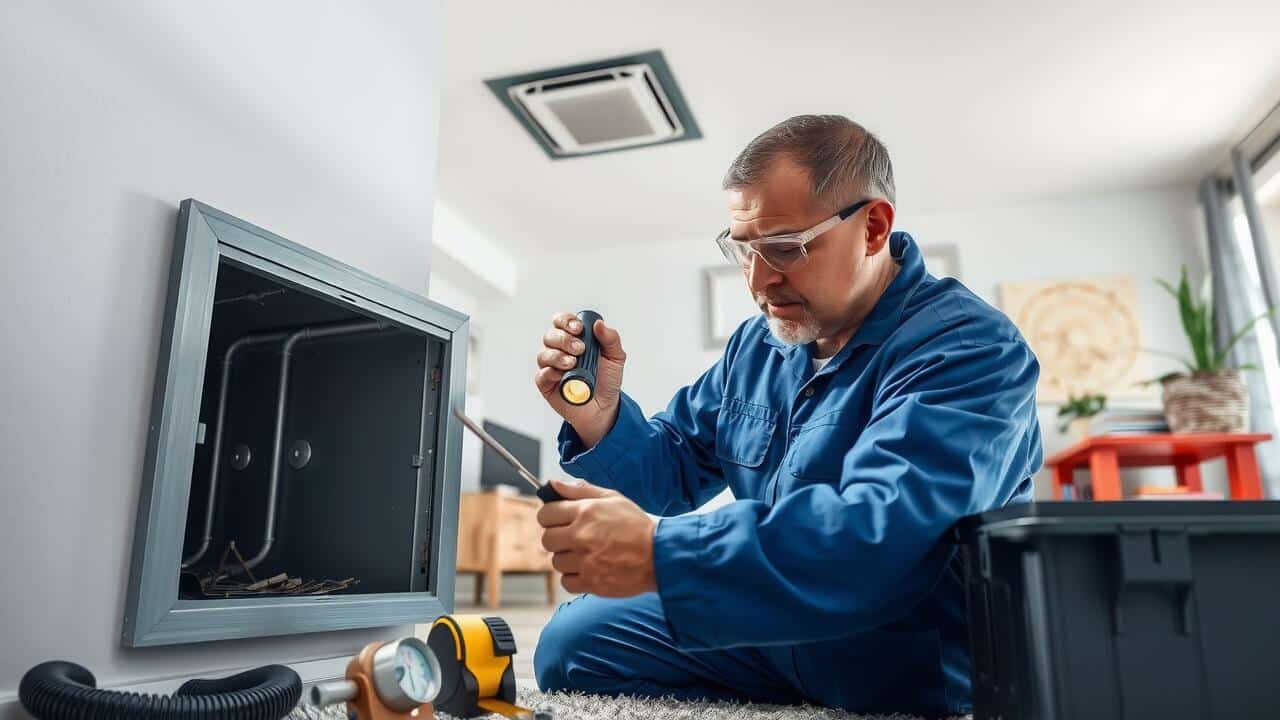
When air duct issues persist despite your own efforts, professional inspection services can provide valuable insight. Trained technicians have the expertise to diagnose problems that may go unnoticed. They use specialized tools and techniques for thorough assessments. This level of scrutiny often reveals blockages or system inefficiencies that impede airflow. Consistent air duct maintenance can help prevent major repairs and prolong system lifespan.
Air Duct Troubleshooting is a crucial part of ensuring your HVAC system operates efficiently. Professionals can clean and inspect ducts to remove debris or mold buildup. They also evaluate the entire system, checking for leaks and improper insulation. These services not only improve air quality but also enhance energy efficiency in your home. Investing in expert help can save time and money in the long run.
When to Call a Specialist
When air duct issues persist despite thorough inspections and basic troubleshooting, it may be time to consult a professional. Signs such as uneven heating or cooling, persistent musty odors, or significant reductions in air flow suggest that there could be deeper problems within the ductwork. Professionals bring specialized equipment and knowledge, allowing for a comprehensive evaluation that goes beyond standard checks.
Engaging a specialist for air duct troubleshooting can uncover hidden blockages, leaks, or damage that an untrained eye might miss. Their expertise in diagnosing and resolving air duct issues ensures that your home remains comfortable and energy-efficient. Regular inspections can also prevent larger issues down the line, saving homeowners from costly repairs.
FAQS
How can I tell if my air ducts are blocked?
You can check for blockages by inspecting air vents and registers for airflow, listening for unusual noises, and evaluating the overall level of air distribution throughout your home.
What signs indicate that my air ducts may be blocked?
Signs include uneven heating or cooling in different rooms, weak airflow from vents, unusual sounds like rattling or whistling, and increased energy bills.
Should I attempt to clean my air ducts myself?
While some basic maintenance can be done by homeowners, it’s generally best to call a professional for thorough cleaning and inspection to ensure safety and effectiveness.
When should I consider calling a professional for air duct inspection?
You should consider calling a specialist if you notice persistent airflow issues, strong odors coming from vents, or if you see visible dust and debris in your ductwork.
How often should air ducts be inspected?
It is recommended to have your air ducts inspected and cleaned every 3 to 5 years, or more frequently if you have pets, allergies, or have recently undergone home renovations.